
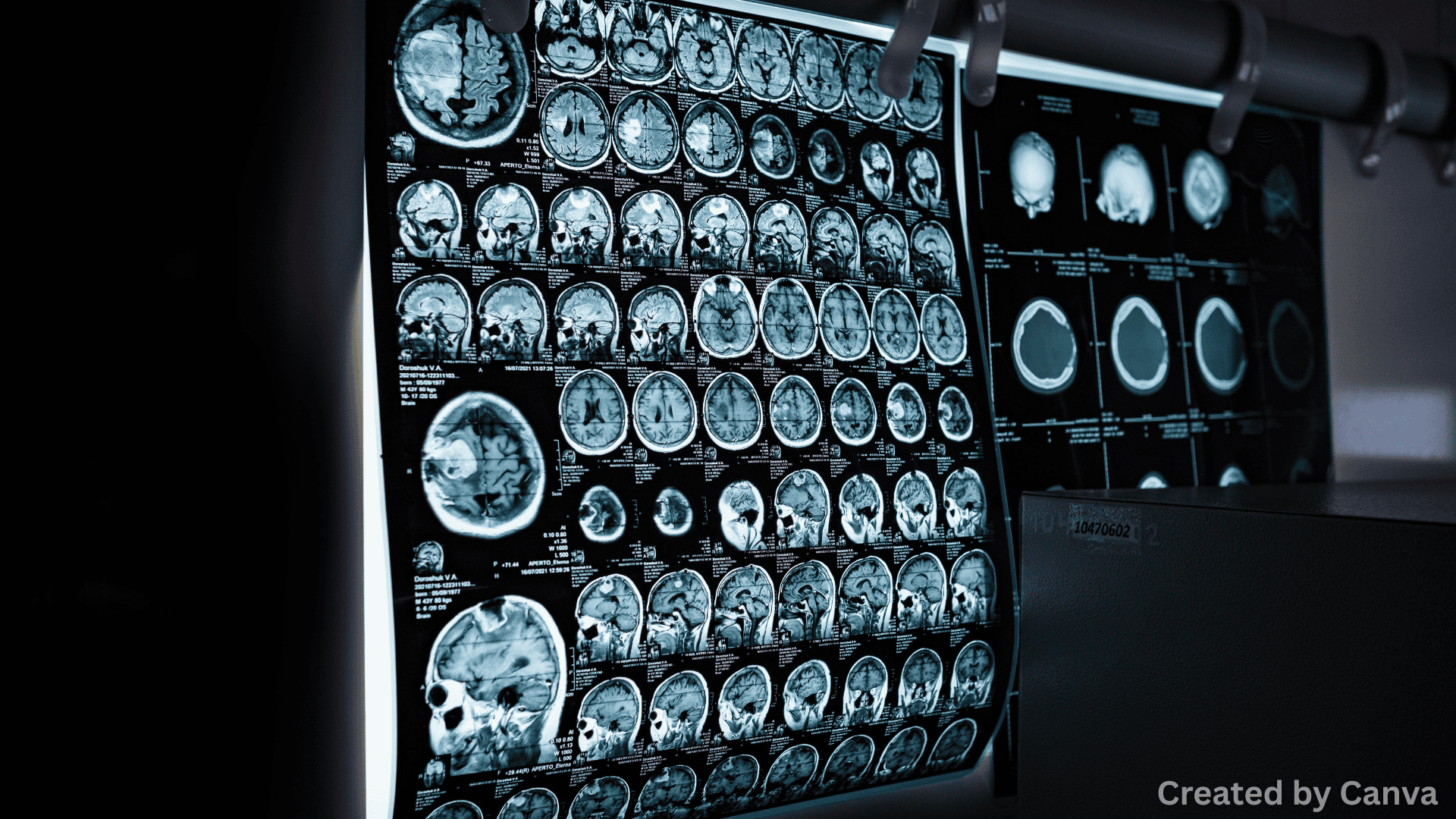
It’s normal to be worried about hidden injuries after a rear-end crash. A lot of people wonder if they need an MRI right away. An MRI after a rear-end collision can be very helpful, but it isn’t always necessary. Doctors use symptoms and physical exams to figure out when advanced imaging is really necessary.
Most accidents with low to moderate impact cause sore muscles, stiffness, and soft tissue pain. Rest, light movement, and time usually help these injuries get better. In these situations, a simple X-ray or a basic exam may be all that is needed. It’s not common to go straight to an MRI.
When an MRI is Needed

The best thing about MRI is that it can find injuries in great detail. It shows the spinal cord, discs, nerves, and ligaments. If the pain keeps getting worse instead of better, it’s more likely that you need imaging. Nerve involvement is suggested by symptoms like numbness, weakness, burning, or loss of coordination.
These signs could mean that you have a herniated disc, compressed nerves, or damage to your spine. An MRI after a rear-end collision helps doctors figure out what’s going on under the surface so they can give the right treatment.
Symptoms that don’t show up right away are also important. Whiplash, disc injuries, and mild brain damage may not show up right away. An MRI can help figure out if there is a bigger problem when recovery isn’t going as planned.
When You Don’t Need an MRI

Not every pain needs advanced imaging. A lot of MRI results show up in people who don’t have any pain at all. It’s common to see small disc bulges and changes that happen as you get older. These results can make people anxious and cause them to get treatment they don’t need.
Doctors look at symptoms, test results, and how things are going over time. If the pain is getting better and there are no neurological signs, conservative care is usually the best option.
Questions and Answers
What signs usually make a doctor order an MRI?
Pain that gets worse, tingling, weakness, trouble with balance, or headaches that don’t go away.
Is an MRI better than an X-ray after a crash?
Yes, for problems with nerves and soft tissue. X rays mostly show bones.
How long should I wait before I ask about an MRI?
It may be appropriate if symptoms don’t go away or get worse after a few weeks.
Will insurance pay for an MRI after a rear-end collision?
Approval often depends on medical records and clinical findings that show a need.
Featured Image
Images are by Canva.com