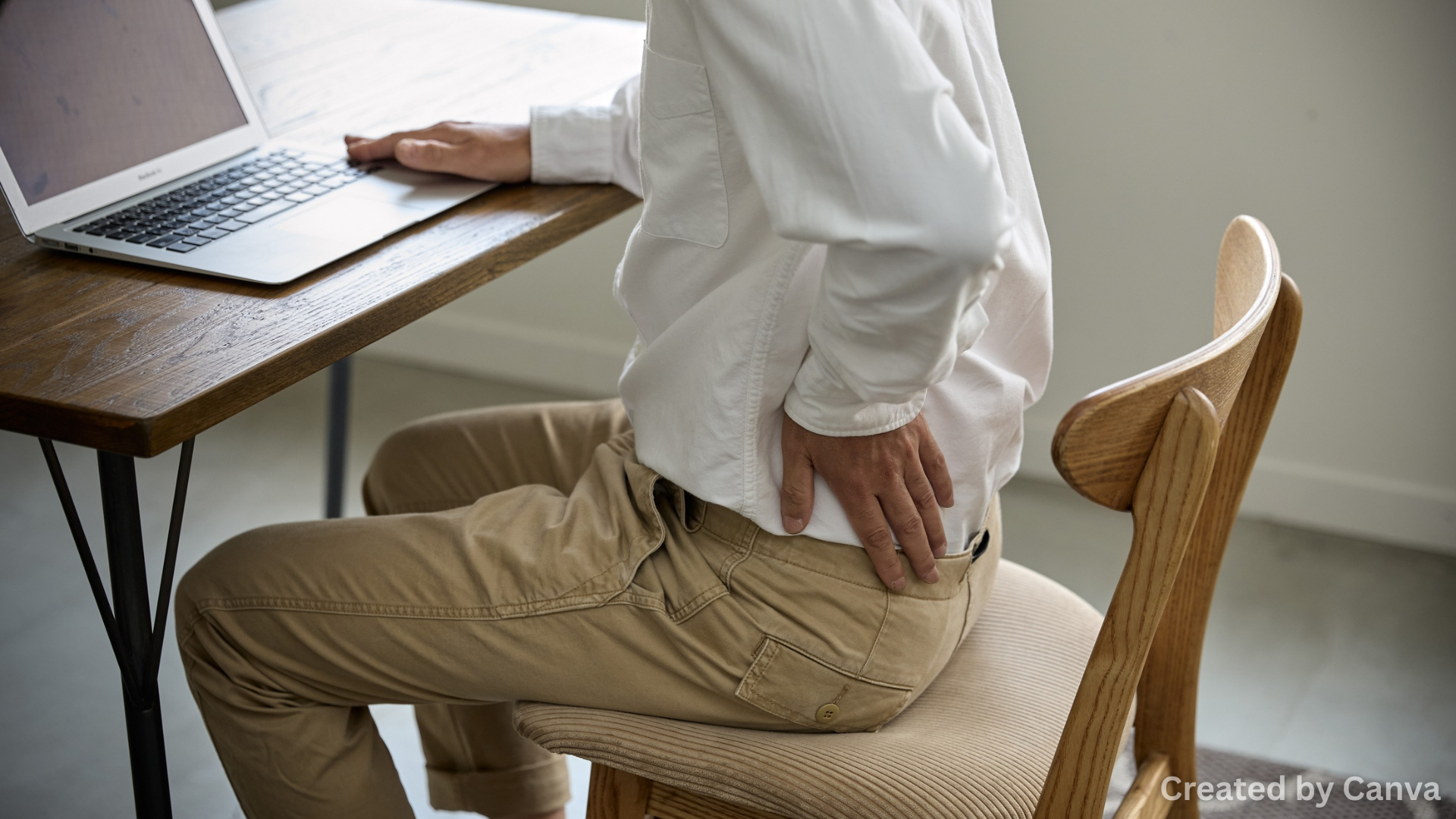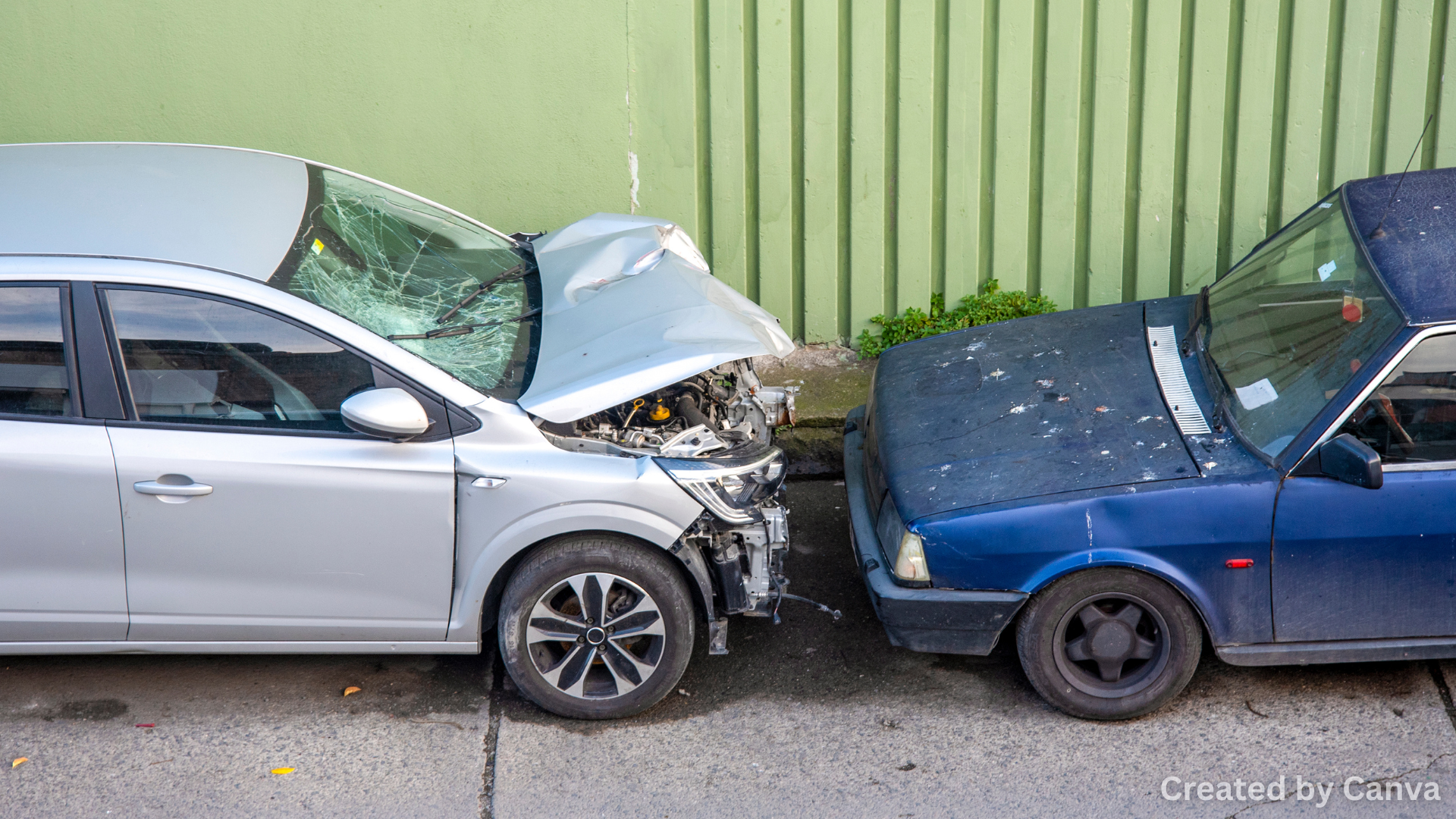

When I think back on some of the cases we’ve seen at Car Hit From Behind, I realize that people don’t often think about how rear-end collisions affect their minds. People can see physical injuries right away after a crash, but emotional trauma and mental health problems can last a long time. The first step to real recovery for anyone in our community, whether they live in a busy neighborhood like Greenfield or a quieter one like Pine Hills, is to understand how these things affect them.
The Hidden Effect: PTSD and Mental Trauma
After I was in a rear-end collision, I learned that the shock doesn’t always end at the scene. Many of my clients have told me that they get nervous when they drive or even panic when they have to stop at a red light. People who are in rear-end crashes may have PTSD symptoms like flashbacks, nightmares, or even not wanting to drive at all. You should know that these feelings are real and don’t mean you’re weak.
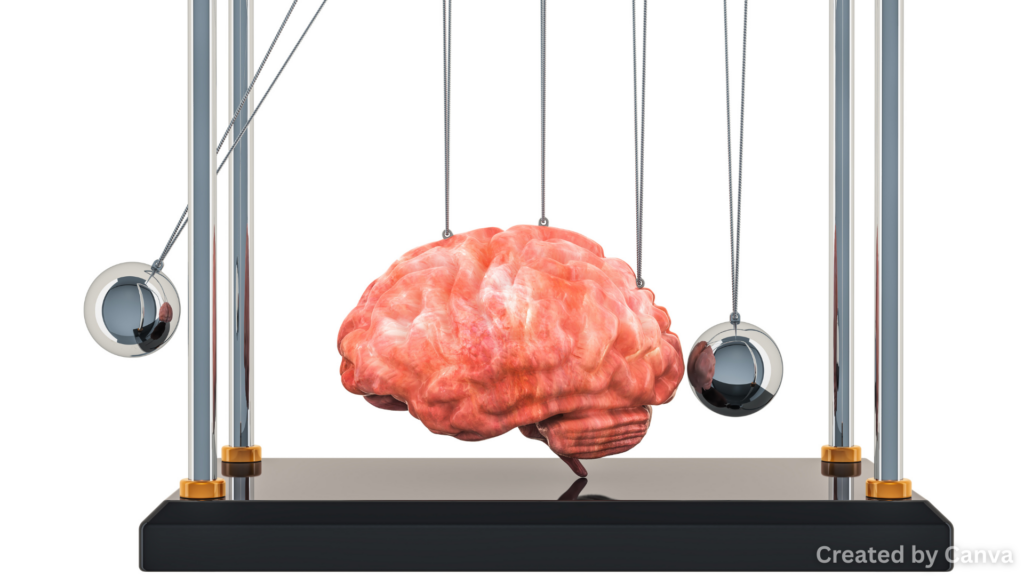
Finding a way to handle stress
The first thing I did to deal with my stress was to talk about my fears. At Car Hit From Behind, we always tell our clients to ask for help, whether that means talking to friends, family, or a professional counselor. It takes time to rebuild confidence, but it is possible if the people around us are patient and understanding. I sometimes tell clients to take short, familiar drives around their neighborhood, like the streets near Riverside Park or downtown, to slowly get used to driving again.
How to Help Your Mental Health After an Accident

It’s just as important to take care of your mental health after an accident as it is to take care of your physical injuries. I noticed a big change in my mood and strength when I started exercising regularly, sleeping on a regular schedule, and eating well. If you have emotional trauma or PTSD symptoms that last for weeks or start to get in the way of your daily life, getting help from a mental health professional can make a big difference. We at Car Hit From Behind always remind each other that healing is a process and that everyone heals in their own way.
Questions that are often asked
Q: Can stress from a rear-end collision change how I live my life?
A: It’s normal to feel anxious, have trouble sleeping, or have mood swings after a crash. If these symptoms don’t go away, you might want to get help.
Q: How can I tell if I have PTSD after a car accident?
A: You might have PTSD if you keep having flashbacks, nightmares, or avoid driving. A mental health professional can give you the right diagnosis and advice.
Q: What can I do to start feeling better?
A: Talk to someone you trust and give yourself some time to get better. Taking care of yourself and slowly getting back behind the wheel can help you deal with stress and improve your health in general.
Featured Image
Images are by Canva.com
Read more about: How to Avoid Rear-End Collisions During Nighttime Driving