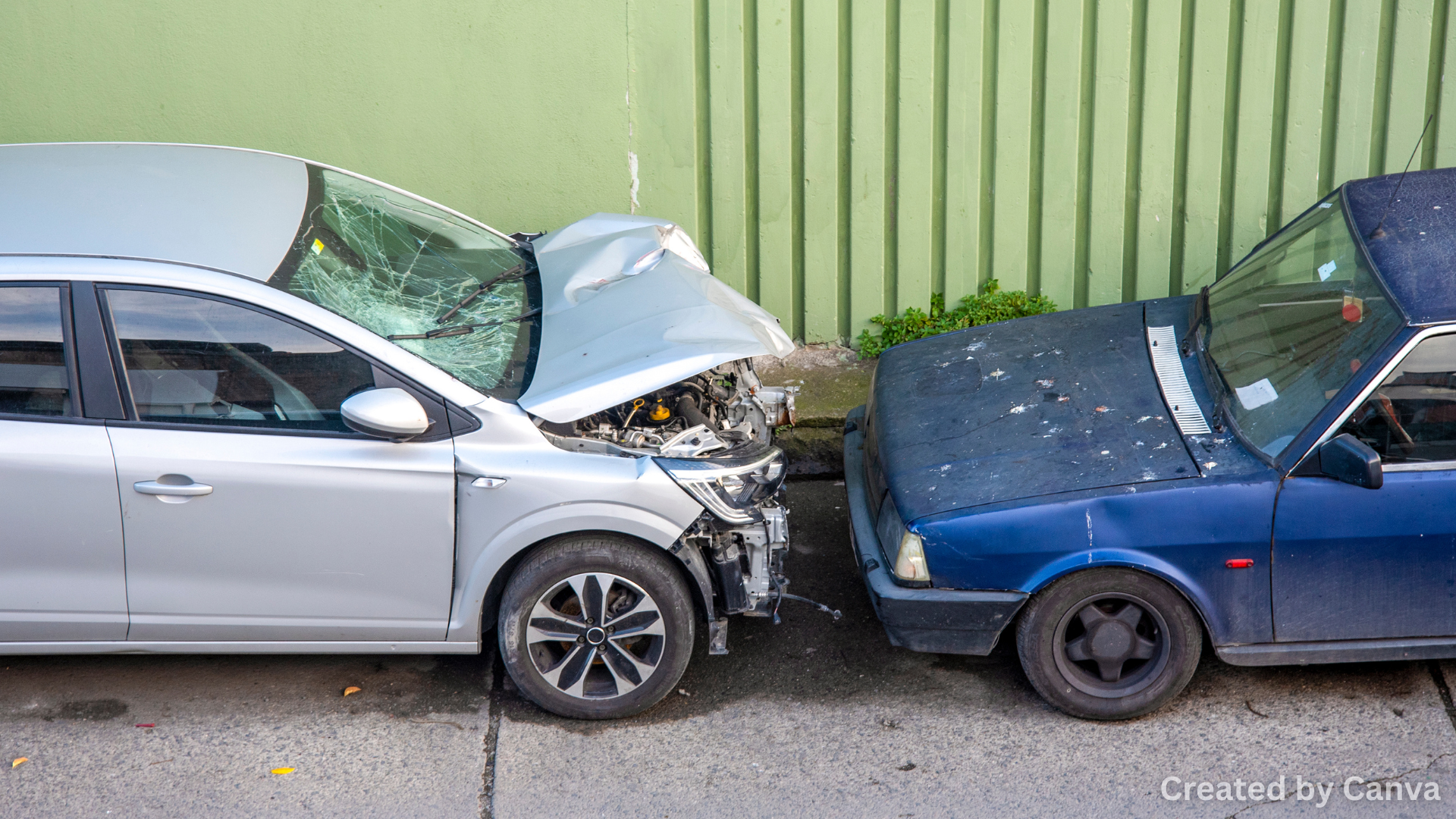
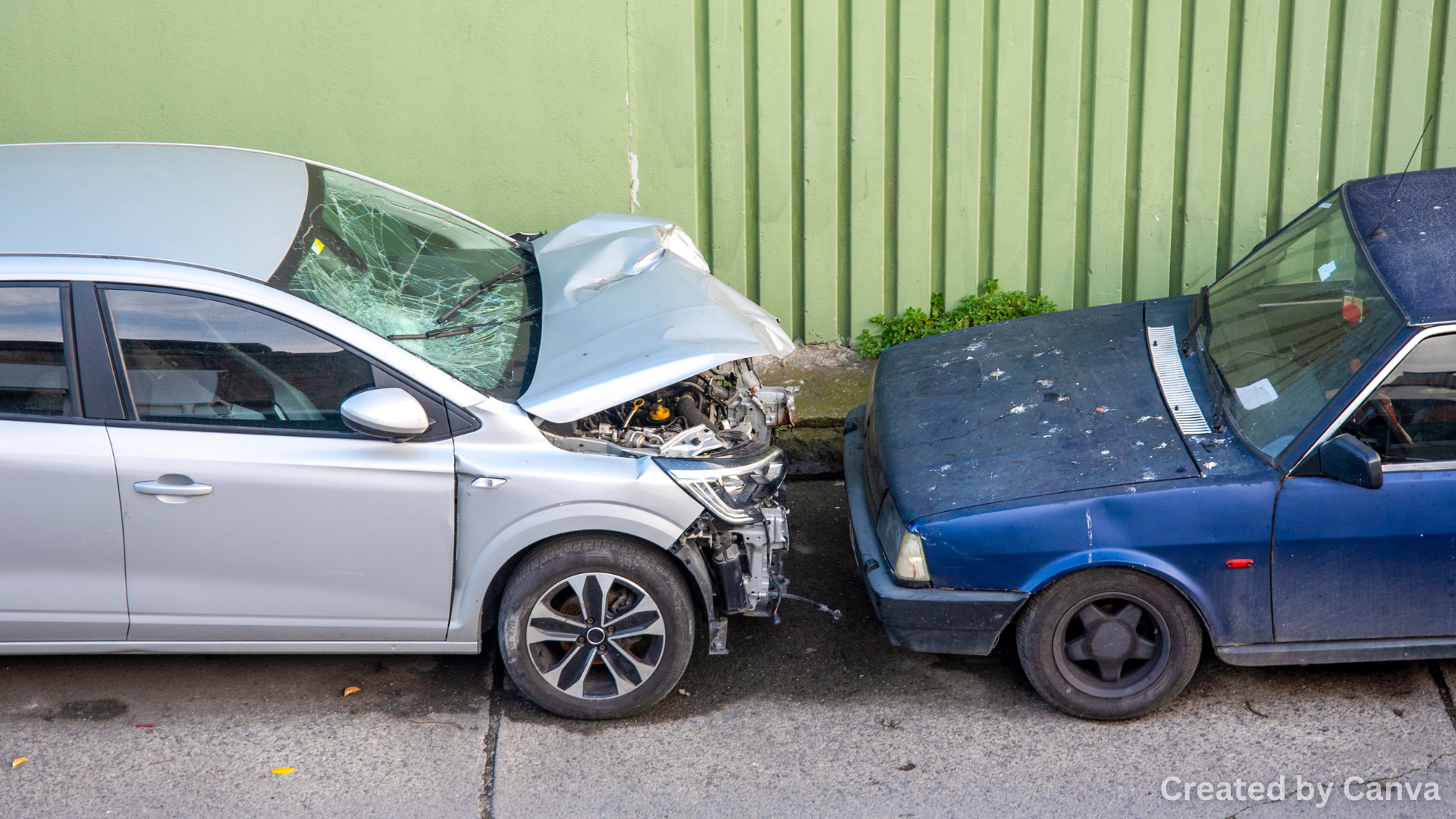
At Car Hit From Behind, I often meet drivers who have trouble proving who was at fault in a rear-end collision. You might feel like the odds are against you, and it can be very stressful. Many people think that the driver in the back is always at fault, but local laws and the way things are in the real world can make it much harder to figure out who is at fault. I’ve seen how important it is to be proactive, especially for drivers in busy areas like SouthPark, Ballantyne, and neighborhoods near uptown Charlotte.
The Importance of Gathering Evidence to Prove Fault
After a rear-end collision, gathering evidence is the first step in figuring out who is responsible for the accident. I always say to write down everything you can at the scene. Take pictures of both cars, the street, the traffic lights, and any skid marks. If anyone saw what happened, try to get their contact information. I’ve found that these steps can really help when you need to defend yourself in a claim.
Police reports are also very important for figuring out who is at fault. Police who come to the scene of the crash will write down information that could back up your story. If the other driver was not paying attention, stopped suddenly, or had brake lights that didn’t work, these things could make you less responsible for the accident. At Car Hit From Behind, we often help clients get and read these reports to make sure they don’t miss anything important.
Why it’s important to get legal advice after a rear-end collision
Getting legal advice can make a big difference. Insurance adjusters may still question your side of the story, even if you have strong proof. I have worked with lawyers who can clearly present the facts, organize the evidence, and talk to insurance companies. They know what proof is most convincing and can help you know what to expect during the claims process.

If you don’t know what your rights are or are worried about being blamed for a crash that wasn’t your fault, don’t be afraid to get legal help. Getting the right help can help you avoid common mistakes and increase your chances of getting a fair outcome.
Frequently Asked Questions
If the police didn’t say who was at fault in a rear-end collision, can I prove it wasn’t my fault?
You can still use witness statements and evidence to back up your case, even if the report doesn’t say who was at fault.
What kind of proof is best for showing that someone is at fault in a rear-end collision?
Photos, truthful witness statements, and medical records are all useful for proving who is at fault in an accident.
Should I get legal help for every rear-end accident?
It’s not always necessary, but it’s a good idea to talk to a professional if you’re not sure who’s at fault or if you’re having trouble with the insurance company.
Featured Image
Images are by Canva.com
Read more about: When Should You Seek Legal Help After a Rear-End Collision?