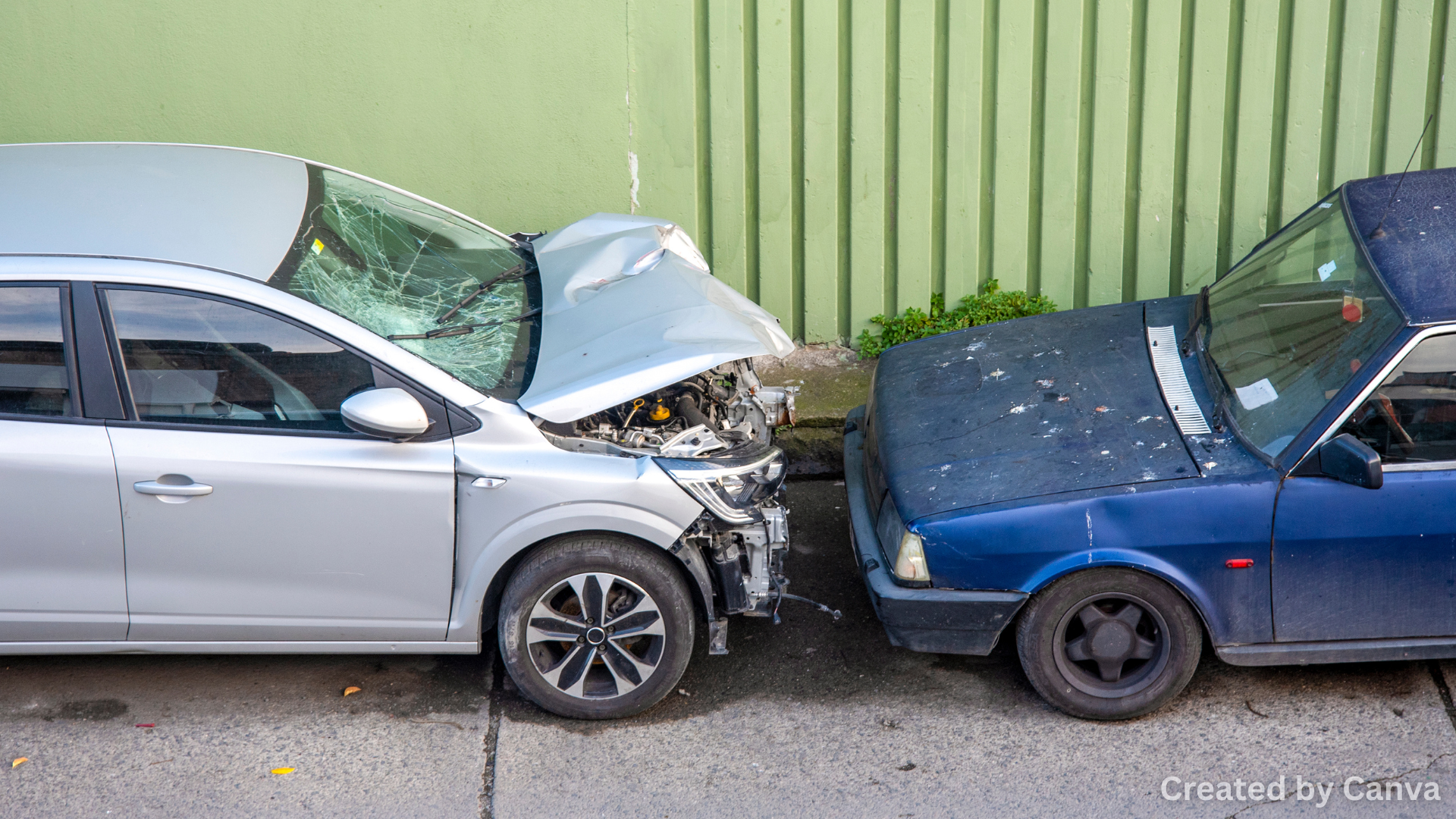
Being hit from behind in a car accident can change everything for you. I know how hard it can be to deal with the aftermath of a car hit from behind because I’ve been there. It’s not just about getting your car fixed or getting better from your injuries. The emotional effects, especially post-traumatic stress after a rear-end collision, can last long after the accident scene has been cleaned up. Let’s talk about how to deal with and recognize this stress so you can get your life back on track.
How to Spot PTSD Symptoms After a Rear-End Collision
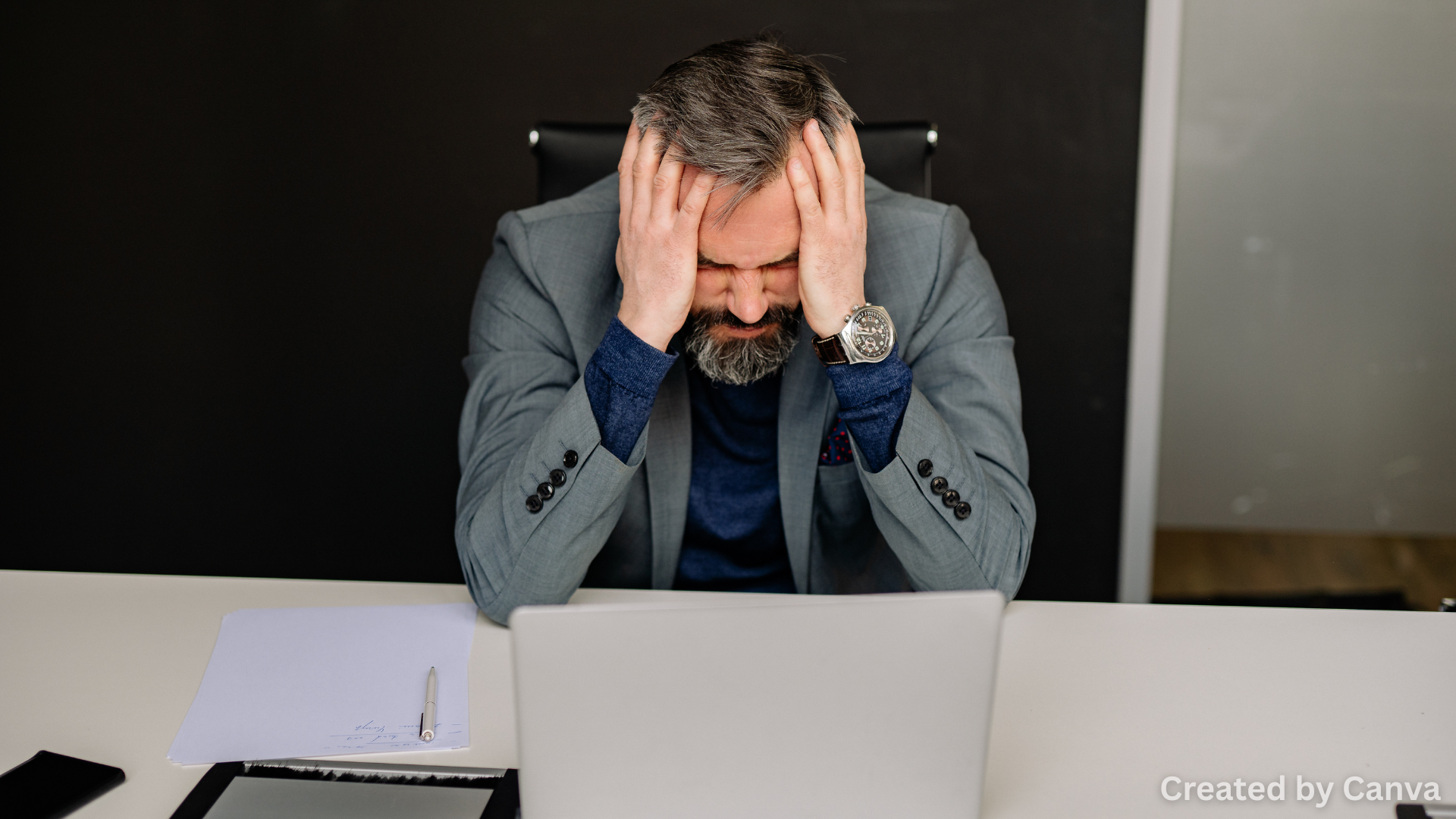
I noticed that the fear and anxiety didn’t go away when I left the scene after being hit from behind. My heart would race every time I got close to a traffic light or heard brakes screeching. Some common signs of PTSD are having memories that come to mind without warning, trouble sleeping, mood swings, and sometimes even feeling like you’re not a part of everyday life. You’re not the only one who keeps thinking about the accident or who won’t drive at all. A lot of people in places like downtown, Midtown, or even near the parks feel the same way after being hit from behind.

Emotional Recovery: Getting Started
The first step to getting better emotionally is to accept that your feelings are real. At Car Hit From Behind, we want people to talk about their mental health after an accident. I thought it was helpful to talk to family, friends, or even a counselor who knows what it’s like to be in a car accident. Support groups, whether they meet in person or online, can make you feel like you’re not alone. There are resources available to help you deal with your feelings, whether you live in a busy city neighborhood or a quiet suburb.
Ways to relieve stress and take care of yourself

Daily self-care is often necessary to deal with post-traumatic stress after a rear-end collision. I made small changes, like going for walks in local parks, doing deep breathing exercises, and focusing on hobbies I liked before the accident. Mindfulness and grounding exercises are two stress-relief methods that can really help you relax. Writing about your day or practicing gratitude are two simple things you can do to help your mental health while you recover.
Commonly asked questions
What are the signs of PTSD after being hit from behind?
You might have nightmares, flashbacks, mood swings, or changes in how much you eat and sleep. It’s also common to feel jumpy or like you’re always on edge.
How long does it take to get over the emotional effects of a car accident?
Everyone heals at their own speed. Some people feel better in a few weeks, while others may need months or even longer, especially if their PTSD symptoms are very bad.
When is it time to get professional help?
It’s important to talk to a mental health professional if your emotional problems are getting in the way of your daily life or relationships or if you have chronic anxiety or depression.
Featured Image
Images are by Canva.com
Read more about: Common Long-Term Health Problems from Rear-End Collisions