
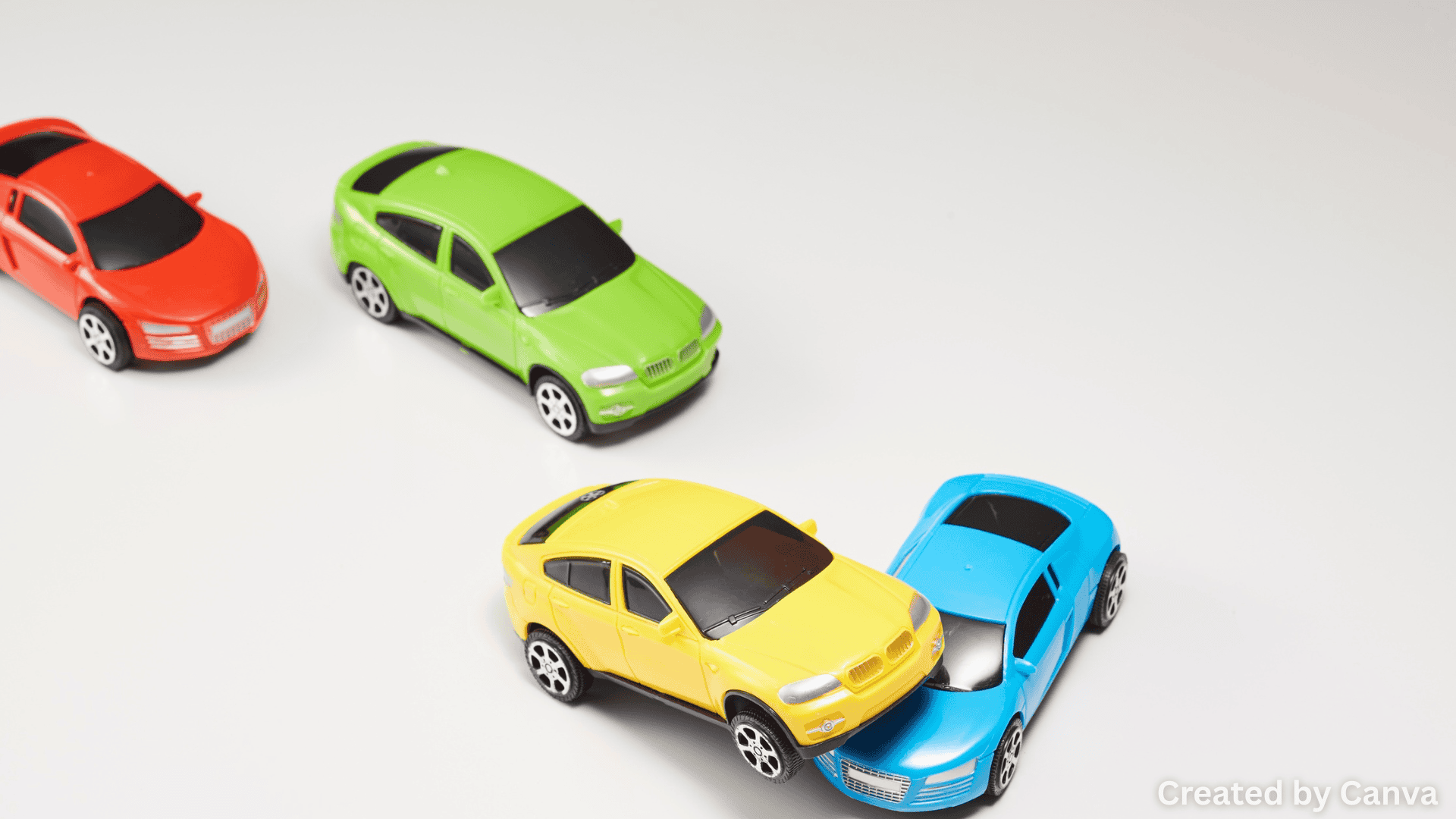
The biomechanics of a rear-end collision explain why injuries can happen even at lower speeds when a car is hit from behind. The most important thing is how force travels through the seat, neck, and spine in a fraction of a second. Knowing how the injury happened can help explain why people hurt for hours or even days after it happened.
How Force Moves Through the Body
When a car hits another car from behind, it pushes the other car forward first. The body lags behind for a split second while the seat moves with the car. Then the torso is thrown back into the seat while the head keeps moving back. Then there is a quick rebound forward. This movement puts a lot of stress on soft tissues, ligaments, and joints. Even if the damage to the car doesn’t look too bad, the body may take a lot more force than you think.

Why the Neck and Spine Are Weak
The spine’s natural curves are meant to help it move, not speed up suddenly. When the head snaps back and forth, it can cause small tears and swelling. This is one reason why symptoms like headaches, stiffness, and dizziness can last a long time after the crash. The risk of spine injury goes up when the headrest is in the wrong place, the seat is reclined, or the person is turned sideways at the time of impact.
Ways to Get Hurt That Are Not Obvious

Adrenaline can make pain go away for a short time. Muscles tighten to protect the body, which can hide changes in the way joints and discs are injured that are deeper than the surface level. Imaging doesn’t always show early tissue damage, but pain can get worse over time.
Questions and Answers
What does the biomechanics of a rear-end collision really mean?
It tells you how the body moves and takes in force when you hit someone from behind.
Can force impact lead to issues without fractures?
Yes. Even if nothing is broken, soft tissues, ligaments, and nerves can still be hurt.
Is spine trauma always immediate?
No. As inflammation gets worse, symptoms can get worse over time.
Why do some people feel fine at first?
Adrenaline and tight muscles can slow down pain signals, which can make problems seem to show up later.
Featured Image
Images are by Canva.com