
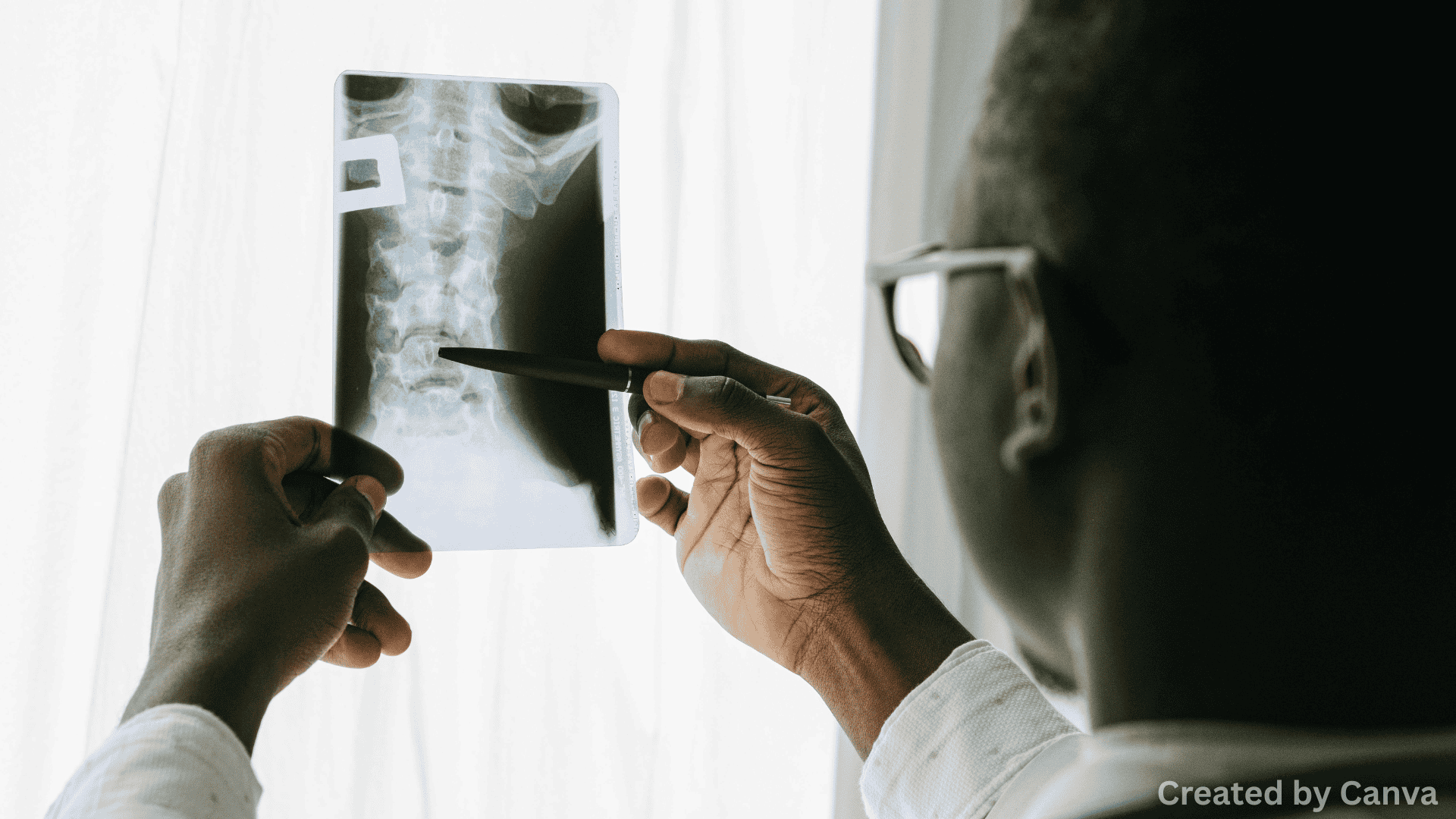
When you’re in a rear-end collision, the first thing you usually think about is broken bones and other visible injuries. X-rays are good at finding broken bones, but they often miss injuries that are hidden and can cause ongoing pain and discomfort. These “invisible” injuries, like damage to soft tissue, can be just as bad, but they don’t show up on regular X-rays.
The Hidden Danger of Soft Tissue Injuries
After a rear-end collision, soft tissue injuries are some of the most common injuries that aren’t immediately obvious. When the body is suddenly jolted, muscles, ligaments, and tendons can get hurt, sprained, or torn. These injuries usually hurt, swell, and make things stiff, but an X-ray won’t show them. Most of the time, an MRI is the best way to find out if you have a soft tissue injury because it gives you a clear picture of the muscles, tendons, and ligaments that might have been hurt in an accident.

Whiplash and Other Injuries You Can’t See
Another injury that often happens in rear-end collisions is whiplash. This happens when the head and neck are suddenly thrown back and forth, which puts a lot of stress on the soft tissues. X-rays can’t show how badly the muscles and ligaments are hurt, even though whiplash can make the neck hurt. Dizziness, headaches, and neck pain are all signs that you might have whiplash, but only an MRI can show the damage and help you get the right treatment.
The Importance of Finding Things Early

Injuries that aren’t obvious right away after a rear-end collision may not show up for days or weeks. Even if you don’t feel hurt right away, it’s still important to see a doctor. Advanced imaging techniques like MRI can help find injuries that might not be found otherwise, which leads to better treatment and a faster recovery.
Questions and Answers
Q: Do injuries to soft tissue always cause long-term problems?
A: Yes, if you don’t treat soft tissue injuries, they can cause long-term pain, limited movement, and pain that doesn’t go away.
Q: Why don’t X-rays show injuries to soft tissue?
A: X-rays are meant to find broken bones, not soft tissue injuries like damage to muscles or ligaments.
Q: Should I have an MRI after being hit from behind?
A: An MRI can help find injuries that aren’t visible on an X-ray if you have pain, stiffness, or other symptoms that don’t go away.
Featured Image
Images are by Canva.com