When insurance adjusters look into rear-end collision claims, they usually begin by figuring out what caused the crash. The adjuster looks at the accident report, the driver’s statements, any pictures, and any statements from witnesses that are available. People often blame the driver in the back for a rear-end accident, but the adjuster still looks into whether the crash was caused by bad road conditions, sudden braking, or other things. The first step in the claims process is to figure out who is at fault. This will affect how the rest of the claim is handled.
How to Look at Evidence of Damage to a Car and Injury
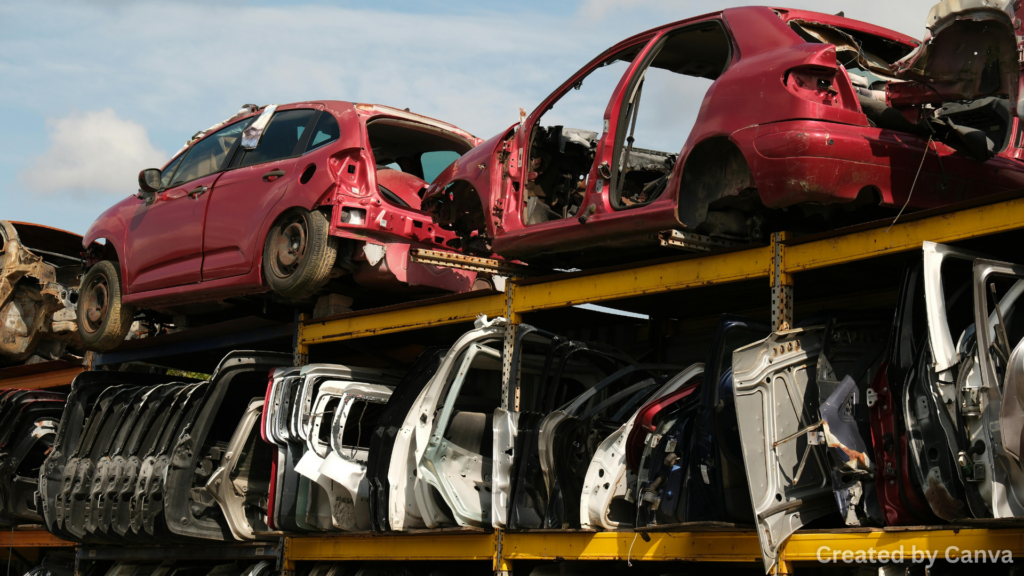
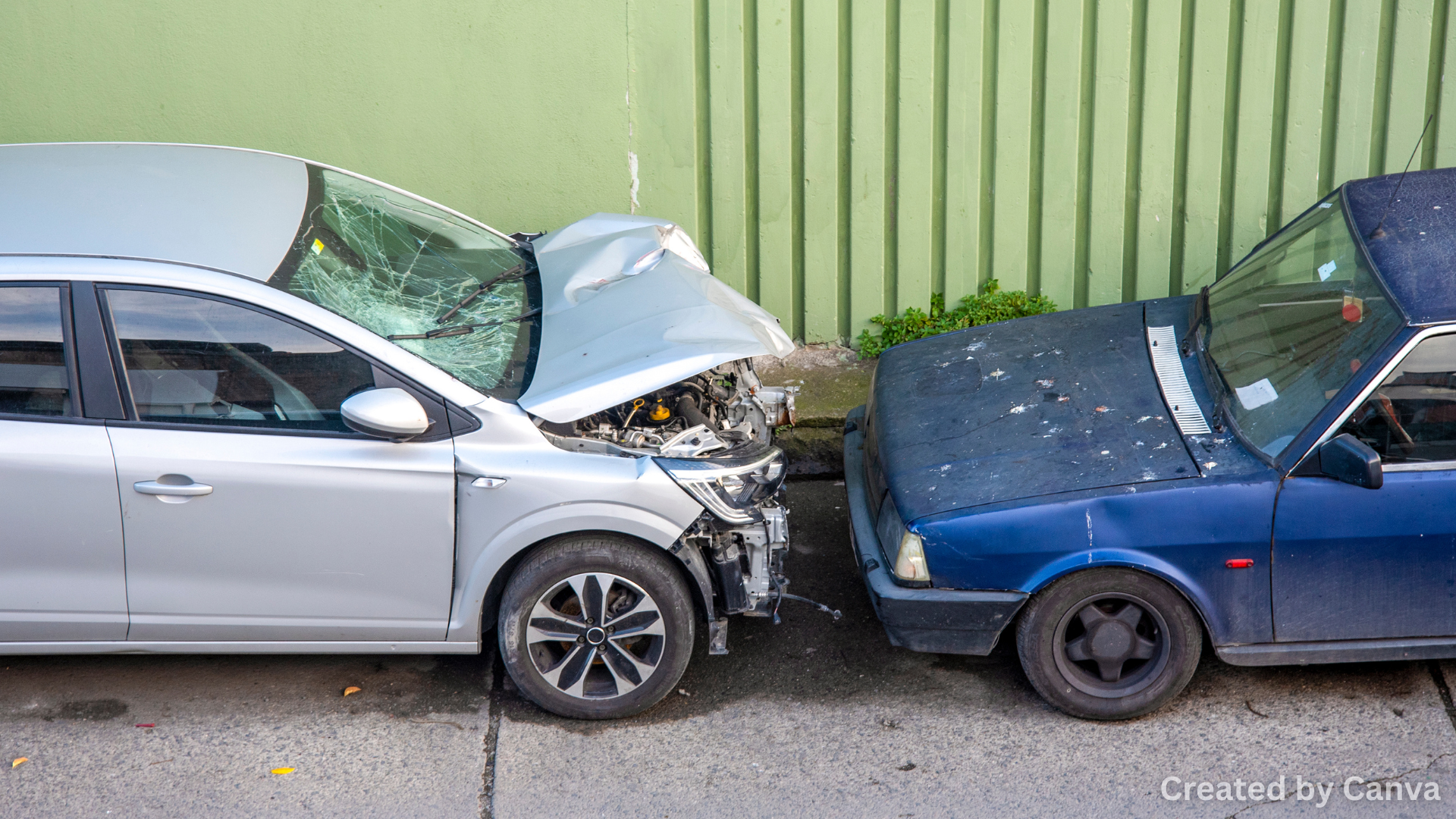
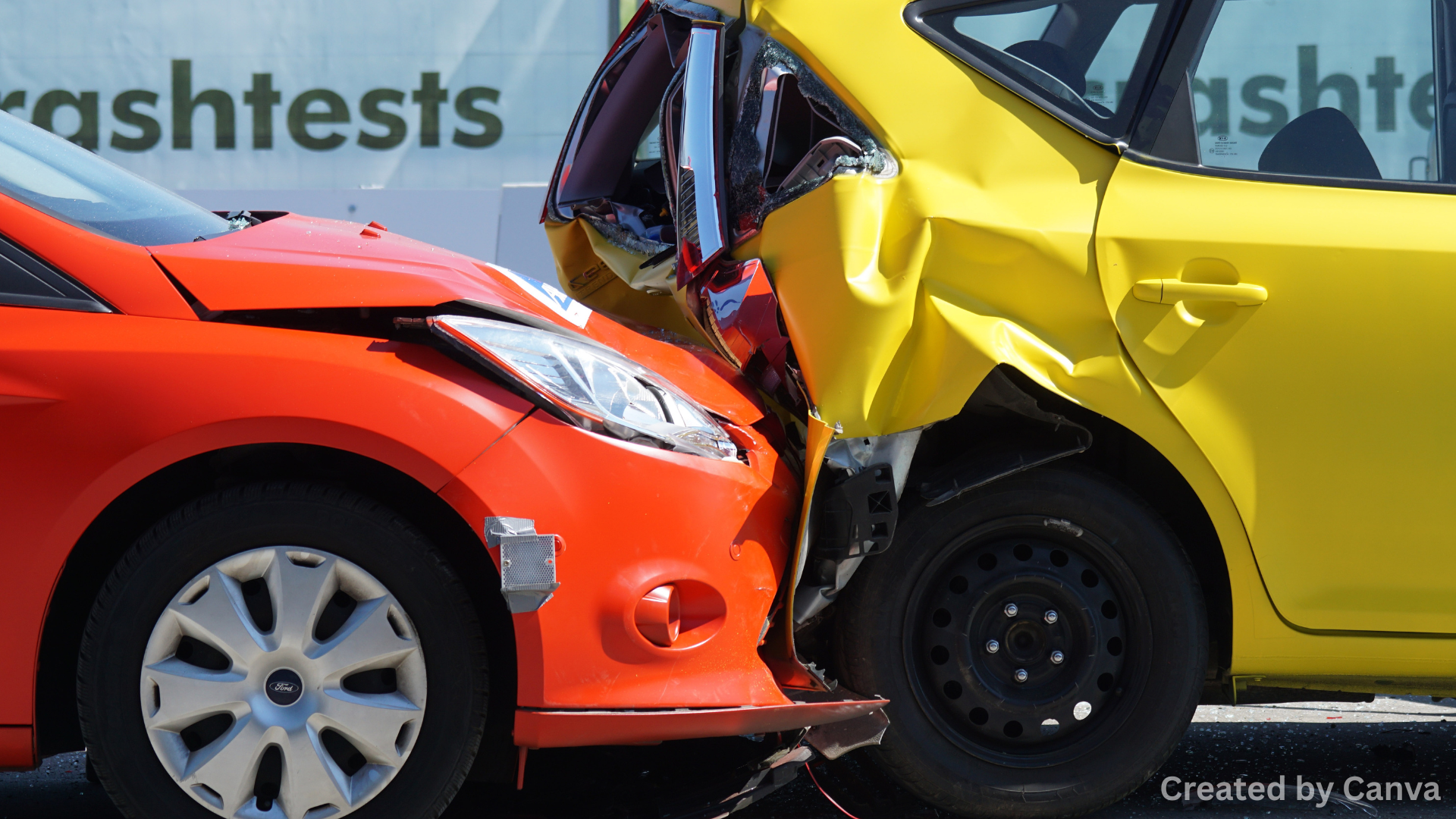
After figuring out who is at fault, the adjuster looks at the proof of damage and injury. The damage to the cars, the cost of repairs, the body shop’s reports, and the location of the crash all help to show how bad it was. Insurance adjusters often pay close attention to the damage to the sensors, trunk, bumper, and frame when they look at rear-end collision files. The adjuster looks at medical records, treatment dates, diagnosis information, and any gaps in care if there are injuries. The goal is to find out if the reported injuries and repairs match the reported impact.
Why the Claims Process Asks Questions and Makes Comparisons
Many people are surprised by how much information the claims process can require. Adjusters don’t just look at a report and write a check. They compare statements and check timelines to find things that don’t match. Insurance adjusters may ask about past injuries, the condition of the car before the crash, and whether medical care was delayed. The adjuster needs to check how strong and trustworthy the claim seems. Records that are well-organized can make this stage go more smoothly and lower the risk of delays or arguments.
How to Choose an Insurance Offer

After looking at the damage, the injuries, and the liability, the adjuster decides what the insurance company might pay. When you file an insurance claim, they look at the costs of repairs, medical care, lost wages, and the crash’s overall effect. In some collision claims, the first offer may be lower than expected because the insurance company doesn’t think the damage or treatment is worth that much. That’s why it’s so important to have all the paperwork. Insurance adjusters’ rear-end collision decisions are based on evidence, consistency, and the insurer’s own ways of evaluating claims. This means that a strong file often leads to a more accurate result.
Questions and Answers
Do insurance adjusters always say the driver in the back is at fault?
Not always, but rear drivers are often thought to be at fault unless there is proof that something else changed liability.
What proof is most helpful to the adjuster?
It’s important to have accident reports, pictures, repair estimates, witness statements, and medical records.
Why do adjusters ask so many questions?
They ask questions to check facts, compare statements, and figure out how strong the claim is.
Is it possible to negotiate the first insurance offer?
Yes. If the evidence shows that the losses are higher, the claim can usually be looked at again and talked about more.
Featured Image
Images are by Canva.com
Read more about: What to Do If You’re Hit from Behind in a Parking Lot