
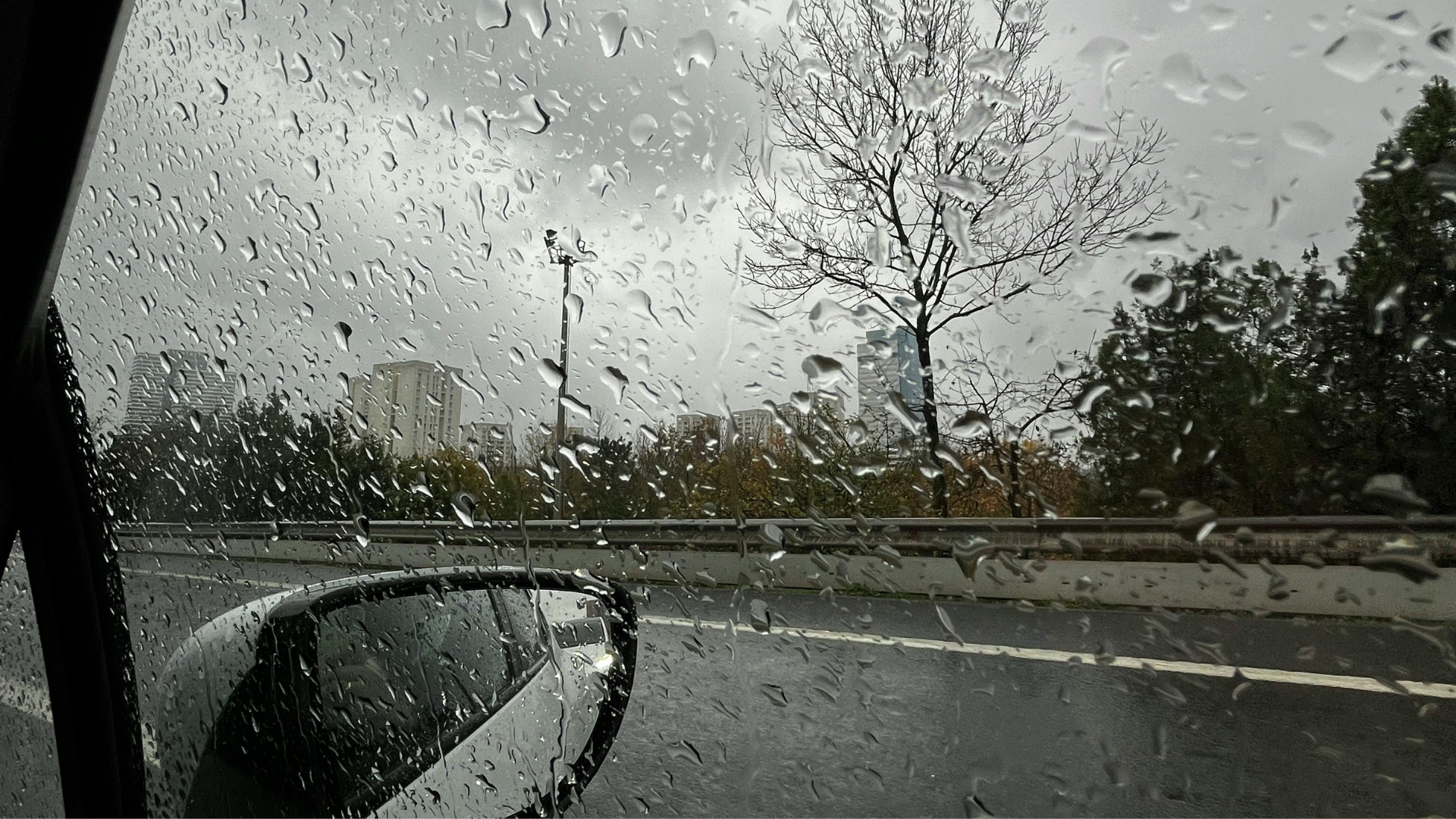
Driving in bad weather makes accidents more likely, especially rear-end collisions. All of these things make it harder to see, make roads slippery, and make it take longer to stop. Drivers need to know how rain, fog, or snow can affect how quickly they can react to avoid rear-end collisions. The first step to safer trips, especially when the weather changes quickly, is to be aware.
Changing the distance you follow
Increasing your following distance is one of the best ways to avoid getting hit from behind in bad weather. Wet roads and icy surfaces can make it take twice or even three times as long to stop safely. Experts say that when it’s raining or snowing, you should leave at least twice as much space between your car and the car in front of you. This gives you more time to respond if traffic suddenly slows down or stops.
How to Drive in the Rain and Fog
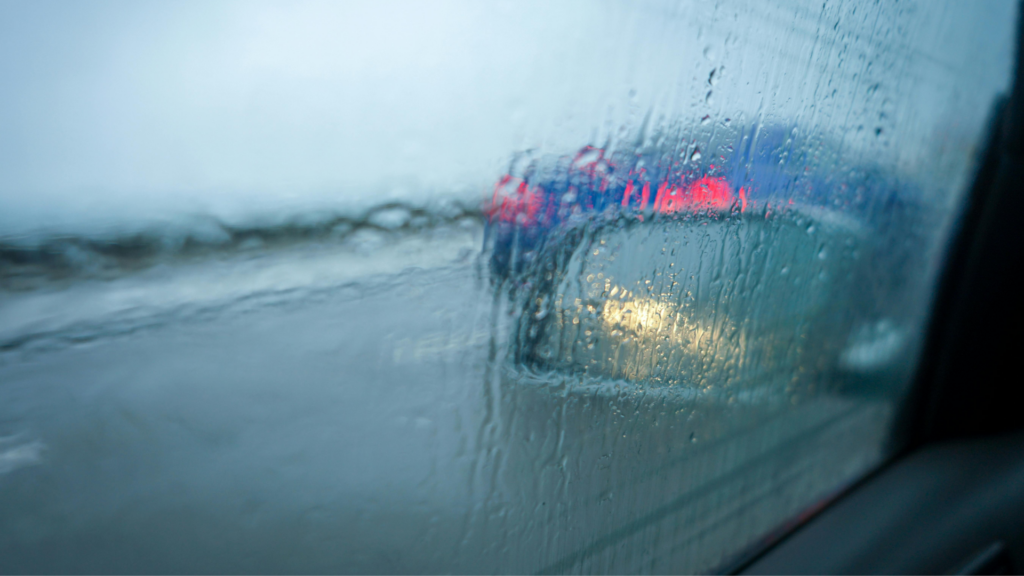
There are special problems that come up when driving in fog and heavy rain. Always use low-beam headlights to make it easier for other drivers to see you and your car. Slow down and keep an eye out for brake lights ahead. When driving in fog, you should also avoid sudden lane changes and hard braking because these things can surprise other drivers and make rear-end collisions more likely.
Important Tips for Driving in Winter
When driving in snow and ice, you need to be extra careful. To stay in control on slippery roads, slow down, don’t use cruise control, and steer smoothly. Before going on a trip in the winter, check your tires and brakes often. These winter driving tips will help you avoid getting hit from behind in bad weather and will also lower the chance of crashes caused by bad weather in general.
Frequently Asked Questions
How far away should I be from the car in front of me when it’s bad weather?
Make it at least twice as far away as usual so that you have more time to stop.
When it’s foggy, what kind of headlights should I use?
Use low-beam headlights all the time. High beams can bounce off fog and make it harder to see.
Do you have any specific tips for avoiding rear-end crashes in the rain?
Yes, you should slow down, keep a safe distance, and not make sudden stops or lane changes when it’s raining.
How can I best get ready for driving in the winter?
Check your tires and brakes, and make sure you have emergency supplies in your car. On icy or snowy roads, don’t use cruise control and drive more slowly.
Featured Image
Images are by Canva.com
Read more about: How to Identify and Treat Soft Tissue Injuries After a Rear-End Accident