
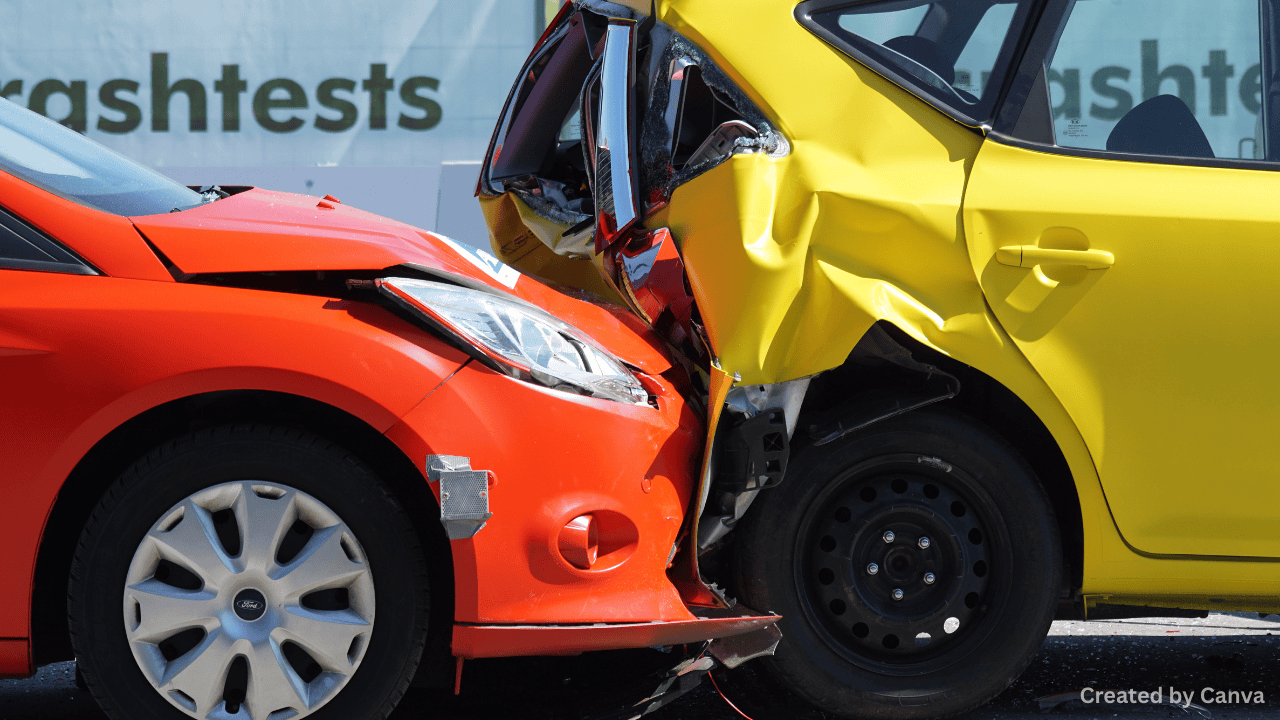
Rear-end collisions are one of the most common types of car accidents, and they can often destroy the car. A car that is totaled in a rear-end collision is one that is so badly damaged that it can’t be fixed or isn’t worth the money to fix. If you get into a rear-end collision and your car is totaled, it’s important to know what happens next. This includes how insurance companies figure out how much your car is worth and how to file a total loss claim.
What Happens to Your Car When You Hit Someone from Behind?
When a car gets hit from behind, the impact can do a lot of damage to the frame, engine, and other important parts. Sometimes, the car’s structure may be so badly damaged that it can’t be fixed, and it is then called a total loss. Insurance companies decide if a car is totaled by looking at the cost of repairs and the car’s actual cash value (ACV) or replacement value insurance.

The insurance company will say that the car is a total loss if the cost of repairs is more than a certain percentage of its value, usually 70–80%. This means that the car is “totaled” and not worth fixing.
Learn about salvage value and replacement value insurance
The salvage value is the amount that the insurance company thinks the car is worth after it has been damaged in a rear-end collision. Most of the time, this value is much lower than the actual cost of replacing the car. The salvage value is based on the car’s condition and how much it would cost to fix it or sell it for parts.

On the other hand, replacement value insurance can help pay for the cost of getting a new car of the same make and model as the one you already have. This kind of insurance can help you more financially if your car is totaled in a rear-end collision because it pays for the cost of buying a similar car instead of just the current value of the car.
Questions and Answers
What is a claim for a total loss?
When the damage to a car is so bad that it can’t be fixed, the owner files a total loss claim. After that, the insurance company pays the policyholder the value of the car, minus any deductibles.
How do you figure out the salvage value?
The insurance company decides the salvage value based on how bad the damage is, how well the car is working, and how much the parts could sell for.
Does replacement value insurance pay for the whole cost of a new car?
Replacement value insurance usually pays for the cost of getting a new car of the same make and model as the one that was totaled, not just the market value of the damaged car.
Featured Image
Images are by Canva.com