
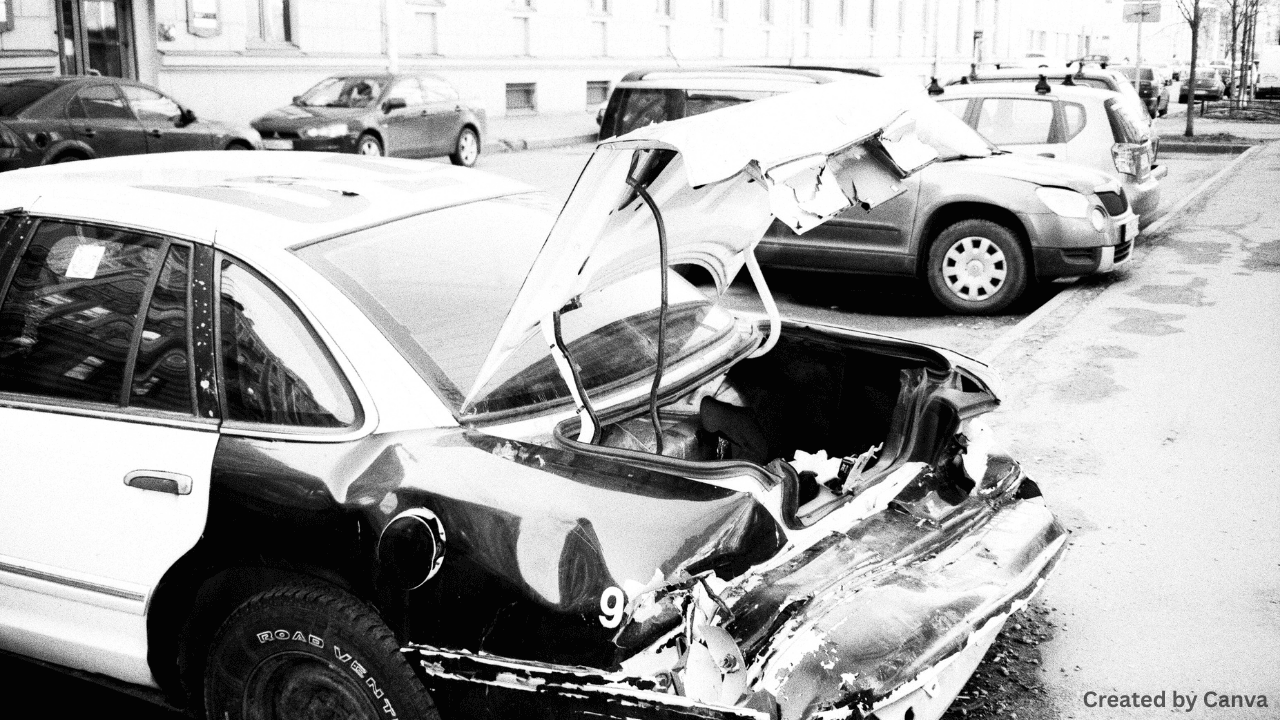
A car hit from behind can feel minor at first, especially if the vehicles do not look badly damaged. Many people step out, feel a little shaken, and think they are fine. Hours later, a pounding headache or strange foggy feeling starts. This is often how a concussion after a rear-end collision shows up. Even a low-speed head injury crash can affect how your brain works for days, weeks, or longer.
What Is A Concussion After a Rear-End Collision
A concussion is a type of brain injury. It happens when the head or body is jolted so fast that the brain moves inside the skull. In a rear-end crash, your head can snap forward and back, even if you never hit the steering wheel or window. That sudden movement can stretch and twist brain tissue and temporarily change how your brain processes information.
Common Symptoms You May Notice

Concussion symptoms can be obvious or very subtle. Some appear right away. Others build slowly over several hours or days after the accident. Typical brain injury signs after a rear-end collision include:
- Headache or pressure in the head
- Dizziness after accident, feeling off balance, or lightheaded
- Nausea, with or without vomiting
- Blurred or double vision
- Ringing in the ears
- Sensitivity to light or noise
- Feeling slowed down, foggy, or confused
- Problems with memory, focus, or finding words
- Unusual tiredness or trouble falling or staying asleep
- Irritability, anxiety, or mood changes
Not everyone has the same pattern. You might have only one or two symptoms and still have a concussion from a head injury crash. Any change that feels off compared to your normal self is worth taking seriously.
Why Symptoms Can Be Delayed
After a collision, your body is full of adrenaline. That rush can hide pain and other warning signs. You may only notice stiffness or a mild headache at the scene. Later, when you are home and the stress settles, dizziness after an accident or mental fog can become more clear. This delay is one reason some people wrongly assume they are uninjured and skip medical care.
When To See A Doctor

You should see a doctor as soon as you suspect a concussion after a rear-end collision. This is especially important if you have a persistent headache, vomiting, serious confusion, trouble waking up, slurred speech, or weakness in any part of your body. Early evaluation helps rule out more serious bleeding or swelling in the brain and gives you clear instructions on rest, work limits, and follow-up care.
Even if your symptoms feel mild, documentation matters. Medical records link your brain injury signs directly to the crash. That record can be important if you later bring a claim for medical bills, lost wages, and pain and suffering.
Concussion And Your Legal Claim

Insurance companies often focus on visible damage, such as broken bones or surgery. Concussions can be harder to measure, but they still affect your life in real ways. A history of ongoing headaches, sensitivity to light, missed work, and changes in mood or memory can support a stronger claim after a rear-end crash.
If you plan to pursue a claim, keep a daily journal. Note your headache levels, sleep issues, dizziness after the accident, and how often you forget tasks or make mistakes at work or home. This kind of detail helps show how the concussion affects your real day-to-day life.
FAQs
Can a low-speed rear-end crash cause a concussion
Yes. Even if the cars look lightly damaged, the sudden movement of your head and neck in a head injury crash can still cause a concussion.
Do I need to hit my head to get a concussion
No. A concussion can occur when your brain is shaken, even if your head never strikes anything inside the car.
How long do concussion symptoms last after a rear-end collision
Some people recover in a few days or weeks. Others have symptoms for months. Recovery time depends on the severity of the injury, your health, and how well you follow medical advice.
What should I tell the doctor after the accident
Explain that you were in a rear-end collision, describe all symptoms, even if they seem small, and mention any history of head injuries. Ask if your signs match a concussion or other brain injury.
Can I make a claim for a concussion after rear-end collision
In many cases, yes. If another driver caused the crash and you have documented brain injury signs and related costs, you may be able to pursue compensation for medical bills, lost wages, and the impact on your daily life.
Featured Image
Images are by Canva.com