
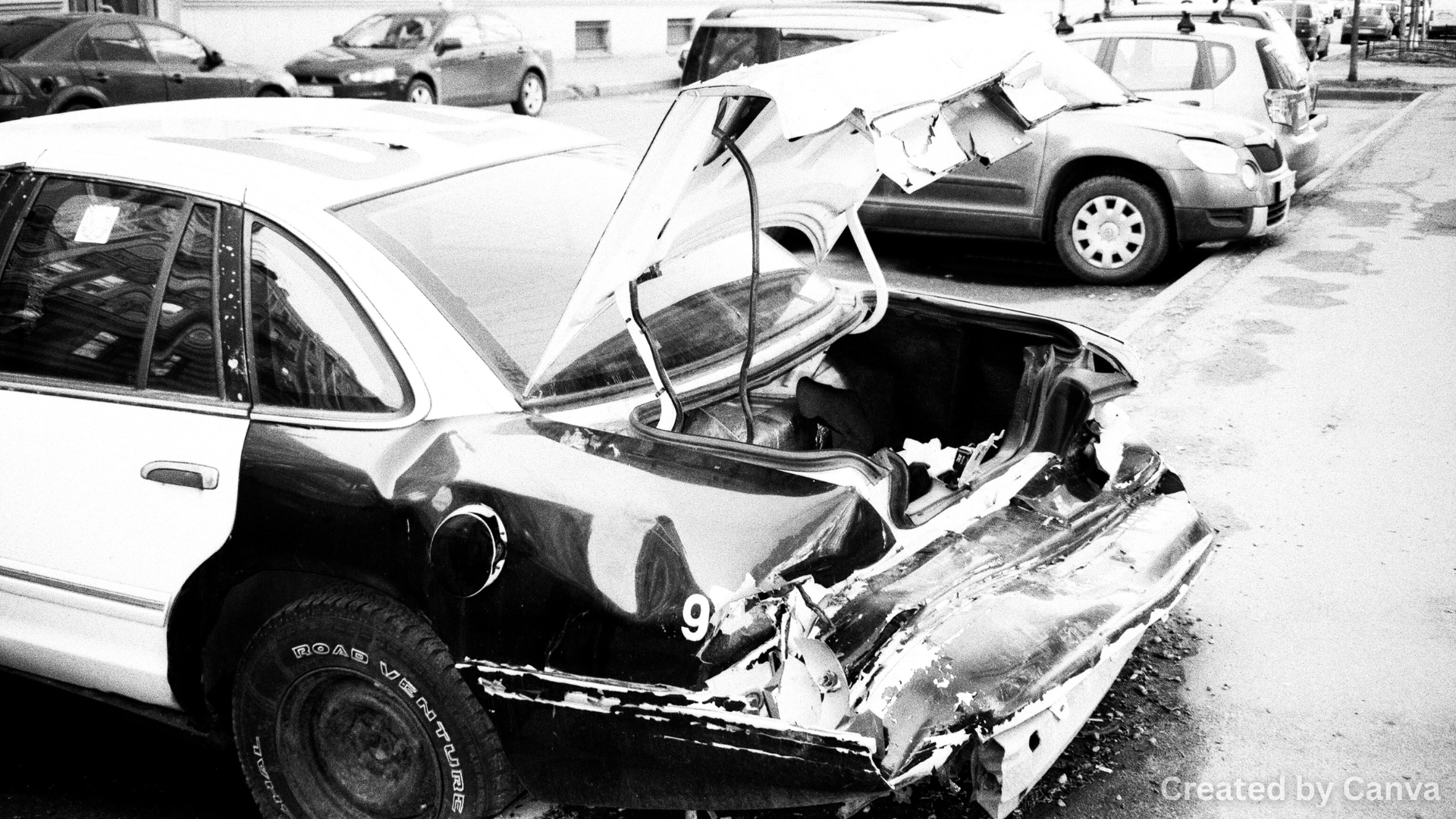
The first thing you should do for a document on rear-end collision injury is to start gathering information as soon as you can. A lot of people wait until the pain gets worse, but writing down the details of an injury right away can make a big difference in insurance claims. If you can do so safely, take pictures of any visible injuries, damage to the car, and the scene of the accident. Record the date, time, place, weather, and anything else you remember about the crash. These early notes help keep facts fresh and can be used as proof of a claim later.
Make sure your medical records are clear and complete.

One of the best pieces of evidence in a rear-end accident claim is medical records. Get help right away, even if your symptoms don’t seem too bad at first. Pain in the neck, back, and shoulders is common after a rear-end collision, and it can last for hours or even days. To properly document an injury from a rear-end collision, you should keep copies of your exam notes, diagnosis details, prescriptions, test results, referral letters, and follow-up instructions. A full treatment history can help prove that your injuries are real, consistent, and related to the accident, not something else.
Write down your symptoms and the things you can do every day.
A personal recovery log can help you fill out the paperwork you need to file an injury report. Insurance adjusters don’t just want to know what the first diagnosis was; they also want to know how the injury affects your daily life. Write down how much pain you are in, how often you have trouble sleeping, how many days you miss work, how hard it is for you to move around, and how hard it is for you to do things like drive, lift, or sit still for long periods of time. This type of record is useful for documenting rear-end collision injury because it shows how the accident is still affecting things. It also helps prove a claim when symptoms get worse or it takes longer than expected to get better.
Put all of your insurance papers in the right order.

Well-organized paperwork usually makes for strong claims. Keep all of your doctor’s notes, medical bills, repair estimates, and conversations with your insurance company in one place. Make a list of important dates, like when you got treatment and when you learned about your claim. Keep all of your letters and emails. If the insurance company questions your injuries or doesn’t think your claim is worth enough, you may have to go to court. Keeping your records in order can make that easier. By consistently and thoroughly documenting your rear-end collision injury, you make your losses clearer and strengthen your case from the start.
Questions and Answers
What should I write down first after a rear-end crash?
Take pictures of the injuries, the damage to the car, the scene of the accident, and some basic notes about what happened.
Why are medical records so important when you file a claim with your insurance?
They link your injuries to the crash and give you professional proof of your diagnosis and treatment.
Should I write down my pain after the accident?
Yes. A pain journal can help you see how the injury affects your daily life and recovery.
Could my claim be hurt by missing records?
Yes. It can be harder to prove how bad your injury is if you don’t get all the treatment you need or if you don’t have all the paperwork.
Featured Image
Images are by Canva.com
Read more about: Rear-End Collision Settlements: What You Need to Know