
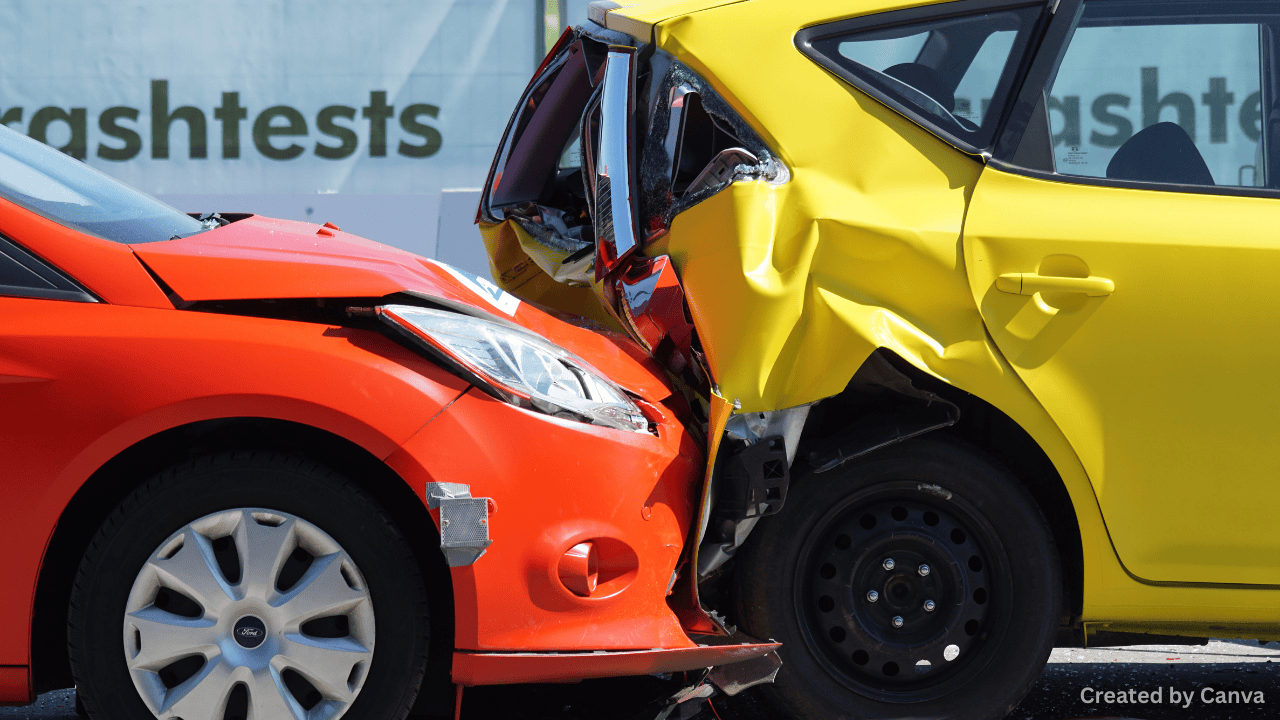
When cars hit each other from behind, the size of the cars isn’t the only thing that matters. How fast something happens has a big effect on how the body reacts and how bad the damage can be. Drivers can understand why even a few extra miles per hour can make a difference if they know how speed affects rear-end collision injuries.
Why Going Faster Means More Impact
As the speed goes up, the force of the impact goes up quickly. The body moves forward because of the sudden transfer of energy, but the seat belt keeps the torso in place. Stress goes away in a split second in the neck, back, and shoulders. When the car goes faster, what may have been sore at lower speeds can turn into injuries from a high-speed crash.

Soft tissues, joints, and the spine are especially at risk. Some people feel pain right away. Some people feel stiff, have headaches, or feel dizzy later that day or even the next morning. You should take any new symptom after a crash seriously.
When Injuries Get Bad
The chance of getting hurt badly in an accident goes up at higher speeds. Airbags might go off. Windows can break. More likely are internal injuries, concussions, and serious sprains or strains. Even if a car looks like it can be fixed, the body may have been through forces that are hard to see.

Getting medical help helps rule out hidden problems and keeps track of symptoms and treatment. Rest, imaging when necessary, physical therapy, and follow-up visits can all help you get better and stay healthy.
Questions and Answers
1. What are some common injuries from rear-end and high-speed crashes?
People often say they have neck pain, back pain, headaches, bruises, and sore muscles. Concussions or broken bones can happen in more serious crashes.
2. Does a crash at a low speed still hurt?
Yes. Even a slow impact can put enough strain on muscles and ligaments to hurt them, especially if the head is turned or not ready.
3. What are some injuries that happen in high-speed crashes?
They could be serious sprains, disc injuries, concussions, or other serious injuries from an accident that need more time to heal.
4. Why does going faster make things more dangerous?
A faster crash means more energy, which puts more stress on the body right away.
Featured Image
Images are by Canva.com