
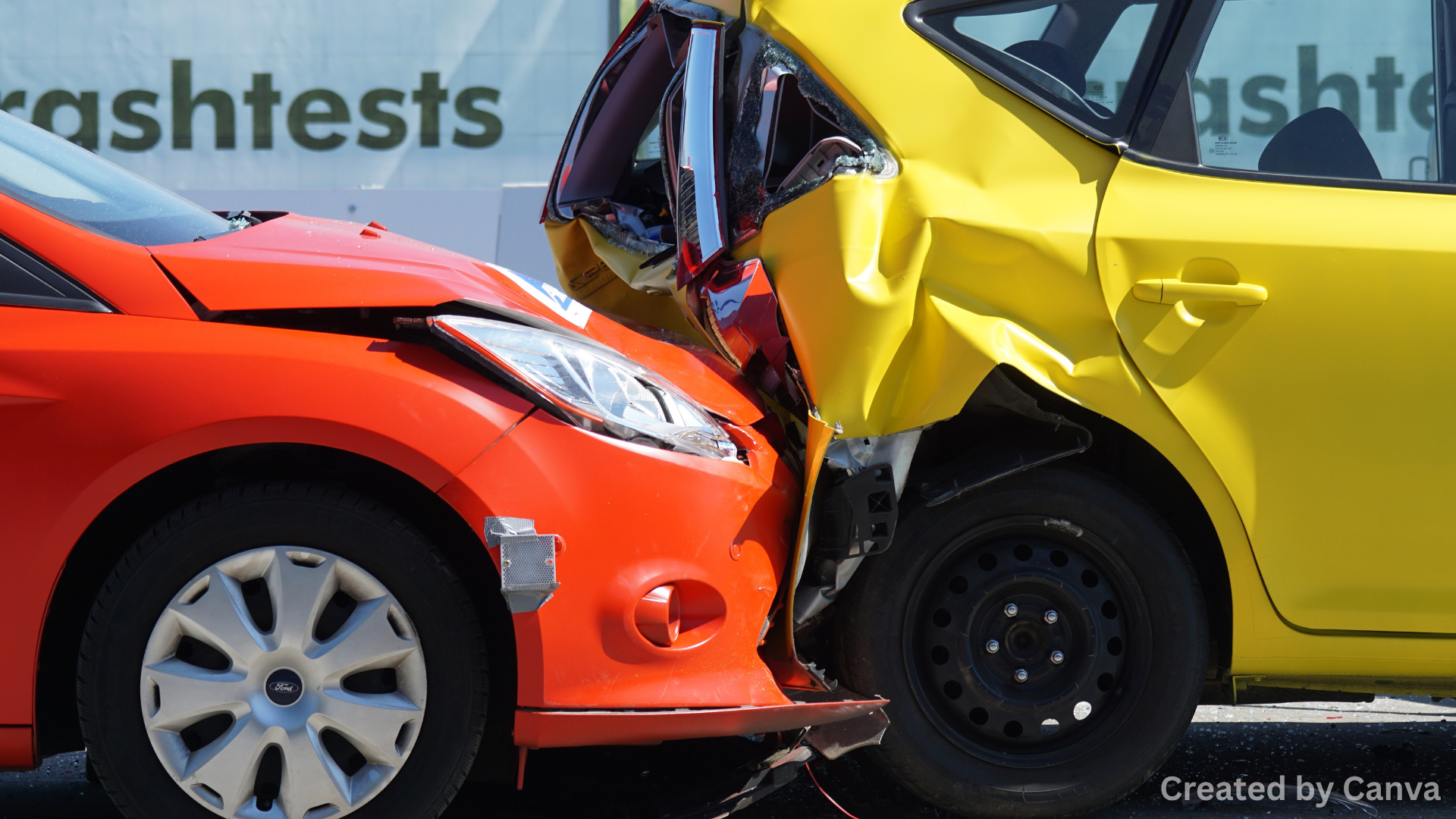
One of the most important parts of any claim for injuries or damage to a car is proving who was at fault in a rear-end collision. Many rear-end crashes look easy to figure out who is at fault, but that’s not always the case. People often think that the driver who hits the car in front is at fault, but the whole story may depend on the state of the road, sudden stops, distracted driving, brake problems, or unsafe lane changes. Insurance companies carefully look at the facts before paying claims, so every little thing that happens after the accident is important.
Proof That Helps Show Who Is at Fault
Proving fault in a rear-end collision is based on strong evidence. Pictures of the damage to the cars, the skid marks, the traffic signals, the weather, and the final position of the cars can help prove your side of the story. A traffic collision report can also be very important because it may include what the officer saw, what the drivers said, and any tickets given out at the scene. Witness statements are also useful because they give an outside view of what happened in the crash. Surveillance footage, dashcam video, and phone records are just some of the tools that can help investigators figure out if the driver in the back was speeding, texting, or following too closely.
When You Can Challenge the Rear Driver’s Fault

People often blame the rear driver, but there are times when the blame can shift. If the driver in front suddenly backed up, had broken brake lights, or made a dangerous stop without a good reason, it might be harder to figure out who is to blame. In an accident with more than one car, it might take a more thorough investigation to figure out who started the chain reaction. This is why it’s so important to keep good records, check the cars, and have accurate timelines. If there is a disagreement about the facts, a lawyer may be able to help you get proof, put together statements, and make your case stronger for the lawyers or insurers who are working on it.
How to Make Your Insurance Claim More Likely to Be Approved

Call the police right away and keep track of all the work you missed, the repairs you made, and the treatment you got. This will make it more likely that you will win. If your paperwork is clear, your claims will be more convincing and get approved faster. If you act quickly, keep good records, and stay consistent throughout the claims process, it will be easier to show who was at fault in a rear-end collision. If the other side doesn’t agree with your claim, you should get legal help to protect your rights and make your case stronger, no matter how small the damage or how bad the injury.
Questions and Answers
Is the person in the back always to blame in a rear-end crash?
Not all the time. People often think that the driver in the back is at fault, but evidence can show that the driver in the front was also careless.
What proof is best for showing who is to blame?
Photos, witness statements, a traffic collision report, dashcam footage, and records of vehicle damage are all helpful.
Can you get turned down for insurance after a rear-end crash?
Yes. If the evidence is weak, the statements don’t agree, or the liability is in question, claims may be delayed or denied.
Should I get legal help after a rear-end collision?
When injuries are serious, fault is disputed, or the insurance company is offering less than the claim is worth, legal help can be useful.
Featured Image
Images are by Canva.com
Read more about: Key Differences Between Low-Speed and High-Speed Rear-End Collisions