
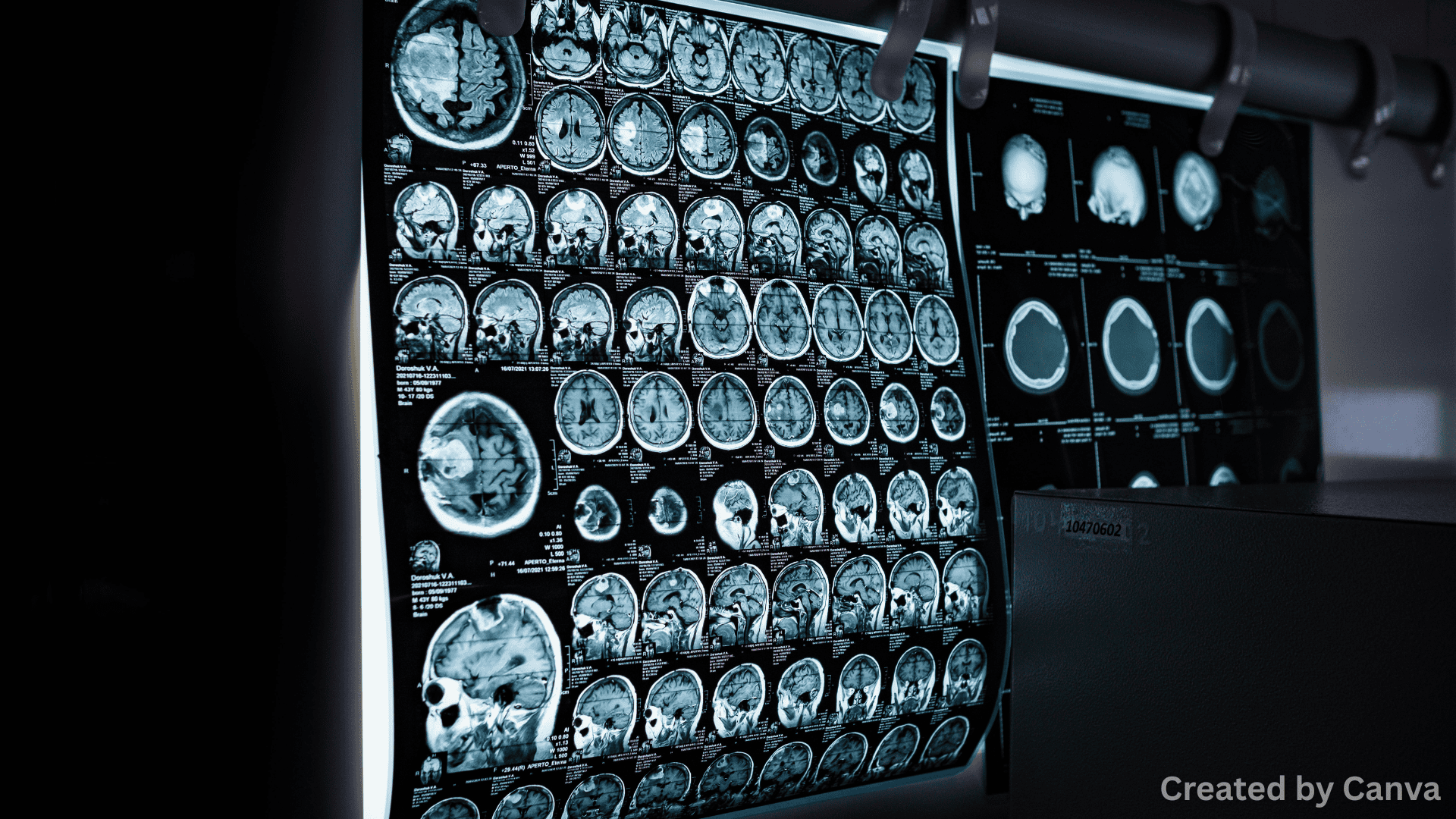
Many people get neck pain or stiffness after being hit from behind. This could be because of small injuries, but if the symptoms don’t go away, they could mean something worse. You might need an MRI after a rear-end collision to find out how bad your injuries are in these cases. MRI scans show soft tissue in great detail, which can help find injuries like whiplash or disc herniations that regular X-rays might not show. An MRI may be the best way to find out what’s going on inside your body if you have neck pain, dizziness, or numbness that won’t go away.
How MRI Can Help Find Injuries to the Neck and Spine:
MRI scans are important for finding soft tissue injuries and spinal cord damage that can happen in rear-end collisions. An MRI can show herniated discs, damaged ligaments, or compressed nerves that could hurt the spinal cord if you hurt your neck. If your arms or legs tingle, go numb, or feel weak after an accident, you should think about getting an imaging test right away. If you have these symptoms, you may have hurt your spinal cord. An MRI can help find the injury and give you a clear picture of your health.

Signs that you might need an MRI:
If your pain or symptoms get worse after being hit from behind, you should talk to a doctor about the possibility of getting an MRI. If you have severe neck pain, headaches, or trouble moving your neck, you may have internal injuries that need to be looked at properly. An MRI can show how bad the damage is to the soft tissues, find nerve damage, and make treatment plans clearer. The sooner an MRI is done, the sooner a doctor can find and treat any injuries that may have happened, which will stop damage from getting worse over time.
Questions and Answers
Q1: What signs do I have that I need an MRI after being hit from behind?
A: If you have persistent neck pain, dizziness, headaches, or numbness in your limbs, you may need an MRI to look for injuries like herniated discs or nerve damage.
Q2: What does an MRI do to help after a rear-end accident?
A: An MRI can find soft tissue injuries, spinal cord damage, and nerve compression that X-rays might not show. This helps doctors make the right diagnosis and treatment.
Q3: Can an MRI show nerve damage from a rear-end crash?
A: Yes, MRI scans can find nerve damage and problems with the spine. This can help doctors figure out what is wrong with someone who has symptoms like tingling or weakness.
Featured Image
Images are by Canva.com
Read more about: Managing Long-Term Injuries from Rear-End Collisions