
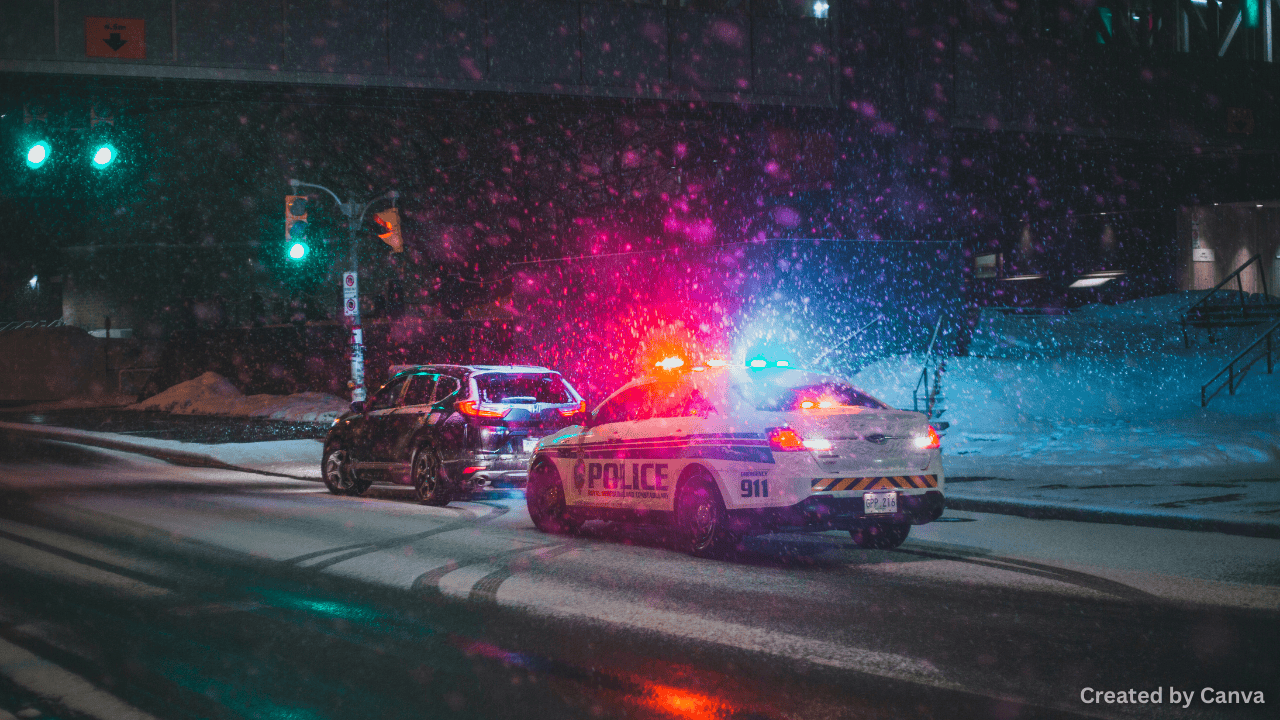
A rear-end crash may seem simple at the time, but the paperwork that comes after can make a big difference in how quickly repairs and insurance go. A police report of a rear-end collision is one of the most useful pieces of accident documentation because it gets important information down right away, when the details are still fresh and both cars are still at the scene. If you know what to do before, during, and after writing the report, you can avoid mistakes and delays.
At the scene before the report is written
Call 911 right away if anyone is hurt. Move cars out of the way of traffic and turn on hazard lights if it’s safe to do so. When the police get there, stay calm and do what you know. Tell them where you are, where you are going, and what happened in simple terms. Don’t guess how fast or far you are going if you don’t know, and don’t argue with the other driver at the scene.

While you’re waiting, get your own accident paperwork ready. Take pictures of both cars, their license plates, any visible damage, skid marks, traffic lights, and the road as a whole. Note the time, the weather, and anything else that seems out of the ordinary. Ask witnesses for their names and phone numbers if they are there. If the final report is missing information, these notes can help.
What to look for in a police report about a rear-end crash
Carefully read the report when you get it. Check to make sure that names, addresses, and insurance information are spelled correctly. Check again the date, time, intersection, and which way each car was going. Look at the diagrams of the cars and the story that goes with them. If the officer wrote down things that might have caused the accident, make sure they match what you saw.

Some common mistakes in reports are putting vehicles in the wrong places, describing lanes incorrectly, switching driver information, leaving out passengers, or reporting injuries incorrectly. Even small mistakes can slow down the process of making a claim.
How to ask for and fix the report
To get a police report, you need to find the report number, the name of the officer, and the agency that responded. After the report is processed, many departments send them out through records offices or approved online systems.

If you notice a mistake, get in touch with the agency’s records unit and ask how to fix it. Some changes need an addendum from the officer who responded, while others can be made as a simple correction. Be ready to show proof, like photos, summaries of medical visits, or statements from witnesses.
Frequently Asked Questions
Do I always need a police report for a rear-end crash for my insurance?
Not always, but it often helps claims go through faster and backs up your accident report, especially if there is a disagreement about who was at fault or if injuries show up later.
How long does it take to get the report?
Different agencies have different processing times. Some reports are ready in a few days, but others take longer because of the amount of work and the need to check them.
What should I do if the report is wrong?
Tell the reporting agency as soon as you can that it needs to be changed. Provide clear evidence, such as photos, written notes, or information from witnesses.
What should I do if I can’t find the number for the police report?
You can usually get it by giving the records office the date, time, names of the people involved, and information about the car so they can find it.
Featured Image
Images are by Canva.com