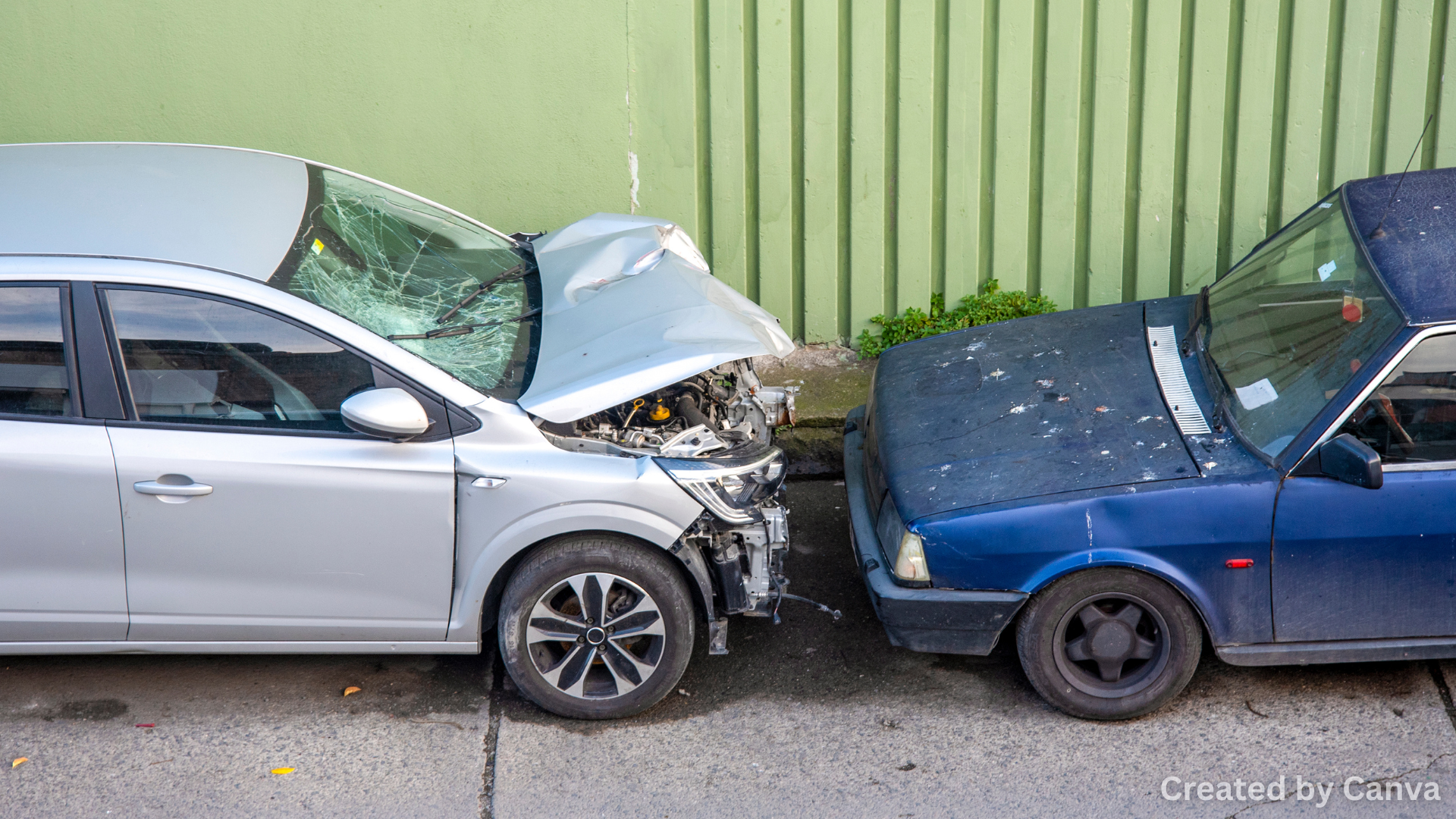
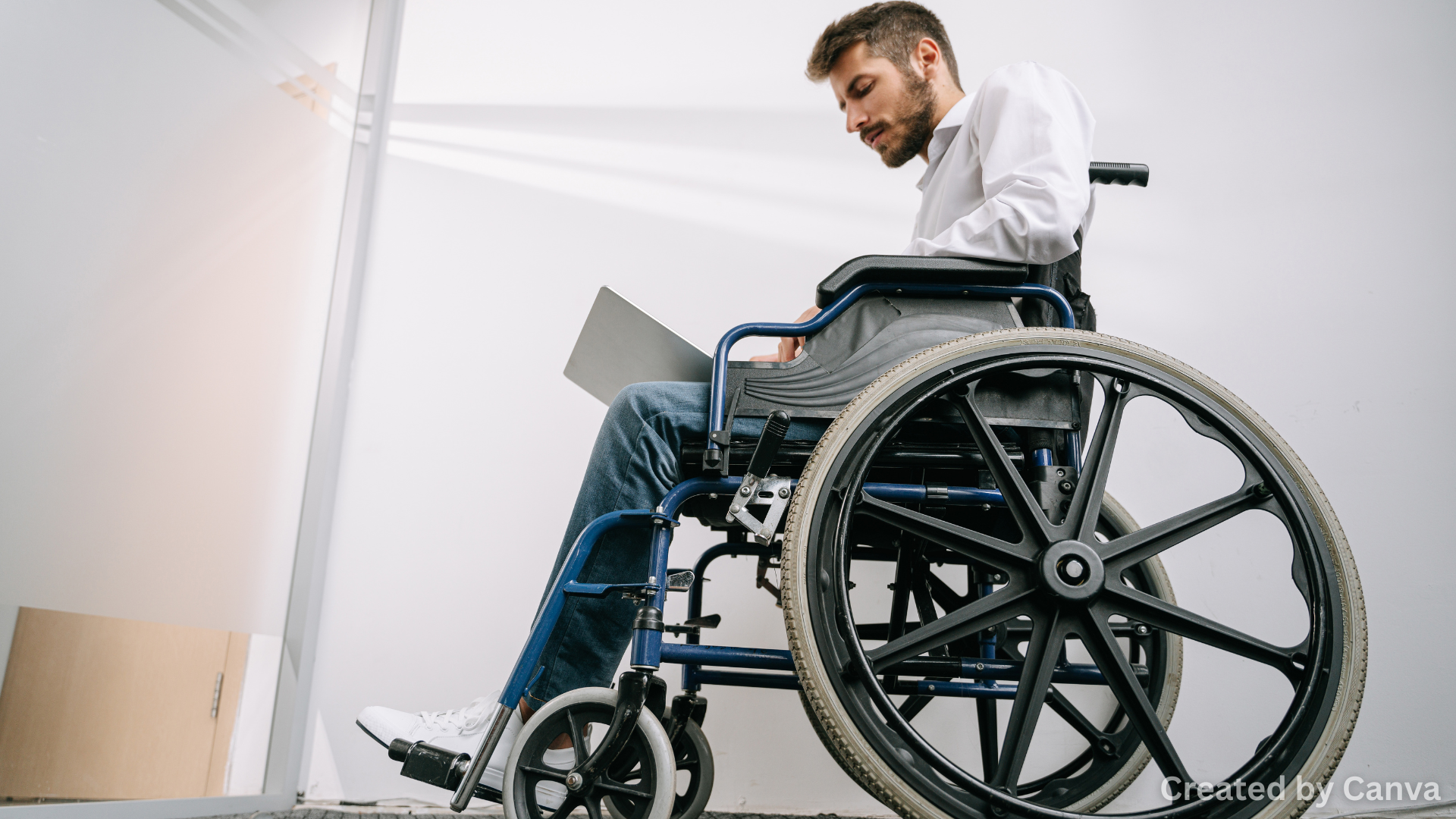
A rear-end collision that leaves someone permanently disabled isn’t the most common result of a crash, but it can happen in very bad or poorly managed cases. Many rear-end crashes cause short-term pain, stiffness, or soft tissue strain, but some injuries last a long time and are much worse. The crash can hurt the brain, spine, neck, and nerves, especially if it happens at a higher speed or with more than one car. In these cases, the effects of the accident may last long after the car is fixed and the shock has worn off.
Injuries That Might Never Heal
Some rear-end crashes hurt people in ways that last a long time and change how they live their lives. Damage to the spine, nerves, and brain, and long-term pain are some of the worst problems. Someone might have trouble moving, feel weak, have headaches, or have pain that won’t go away. A rear-end collision that leaves someone permanently disabled may also hurt them in ways that make it hard for them to work, drive, sleep well, or do everyday things. If you don’t pay attention to or treat injuries that seem mild at first, they can take a lot longer to heal.
Why Each Victim’s Recovery Is Unique

Not everyone heals at the same rate after a rear-end crash. The person’s age, health, how hard the impact was, and how quickly treatment starts all affect what happens. Some people get better in a few weeks, but others need months or even years of therapy, medicine, and limits on what they can do. When symptoms are delayed, the diagnosis is incomplete, or follow-up care is inconsistent, recovery problems often get worse. A permanent disability rear-end collision case usually comes about when the injury is bad enough and the condition has a long-lasting effect on normal function.
How to Back Up Disability Claims

Disability claims may be an important part of the legal and insurance process when a rear-end collision causes permanent damage. Medical records, imaging results, treatment history, evaluations by specialists, and proof of how the injury affects work and daily life are all important for strong claims. Clear records help show that the condition is not temporary and that the effects of the accident are still there. In serious cases, disability claims may pay for future care, lost wages, and the personal effects of having a permanent condition.
Questions and Answers
Can a rear-end crash really leave someone disabled for life?
Yes. A rear-end collision can hurt the spine, nerves, or brain in a way that lasts for a long time.
What kinds of long-term injuries happen most often after a bad rear-end crash?
Some of the worst injuries are chronic pain, damage to the spine, nerve damage, and traumatic brain injuries.
How can I tell if my injury might last forever?
A medical evaluation, ongoing symptoms, and tests by specialists can help figure out if the condition will last a long time.
Can claims for disability cover losses in the future?
Yes. They could include costs of future treatment, lost income, and other long-term losses caused by the accident.
Featured Image
Images are by Canva.com
Read more about: How Insurance Adjusters Evaluate Rear-End Collision Claims