
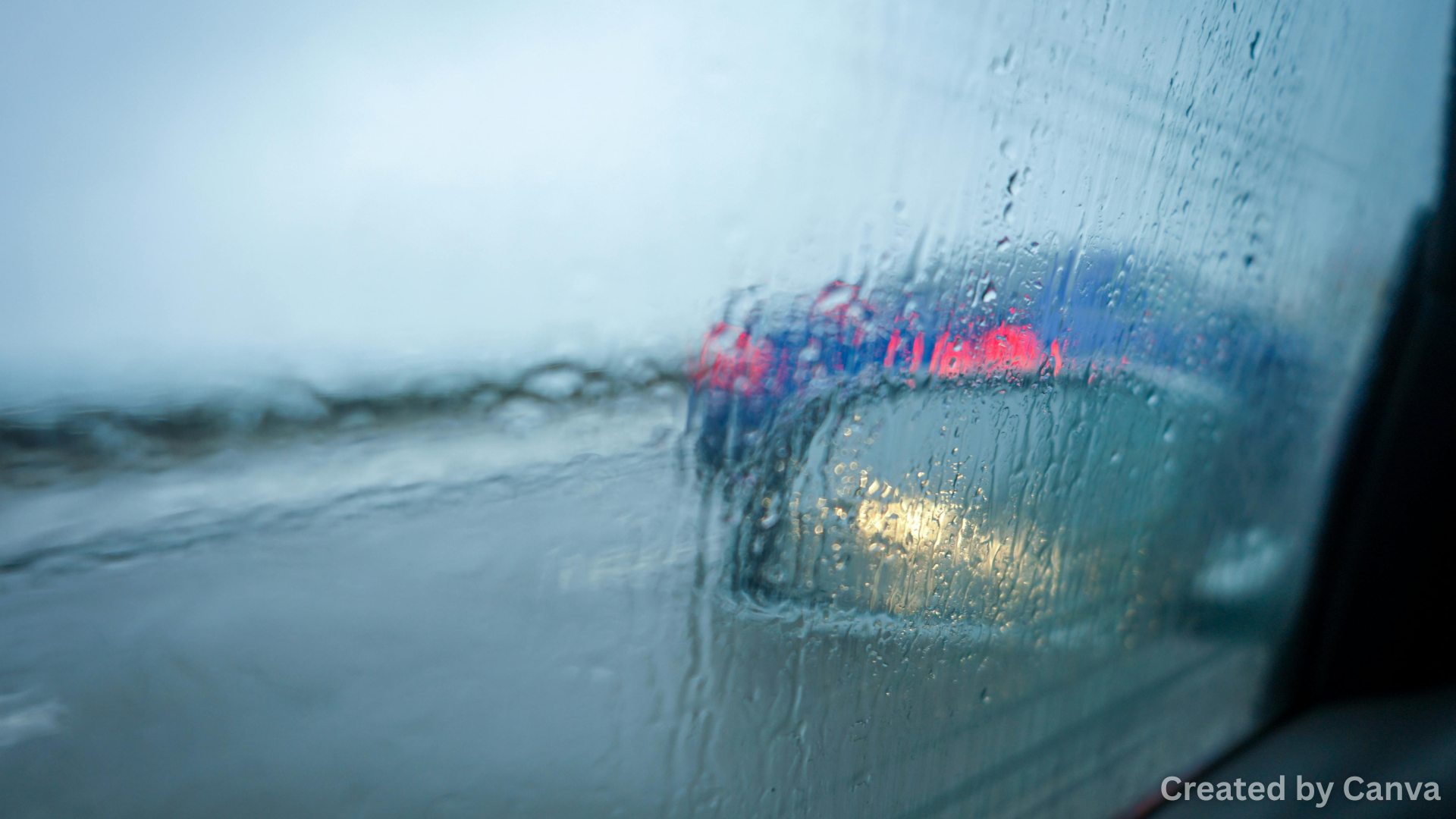
Rear-End Collisions: Bad weather makes things more dangerous because drivers don’t have as much time to react to what’s going on in front of them. Rain, fog, ice, and snow can make it hard to see and judge speed, distance, and how much space you have to stop. A driver might not see that traffic is slowing down until it’s too late and hit the car in front of them before they have time to stop. This is one reason why accidents that happen because of the weather often happen during storms or cold mornings when traffic is moving but the roads are not safe.
Braking is less reliable on slippery roads.
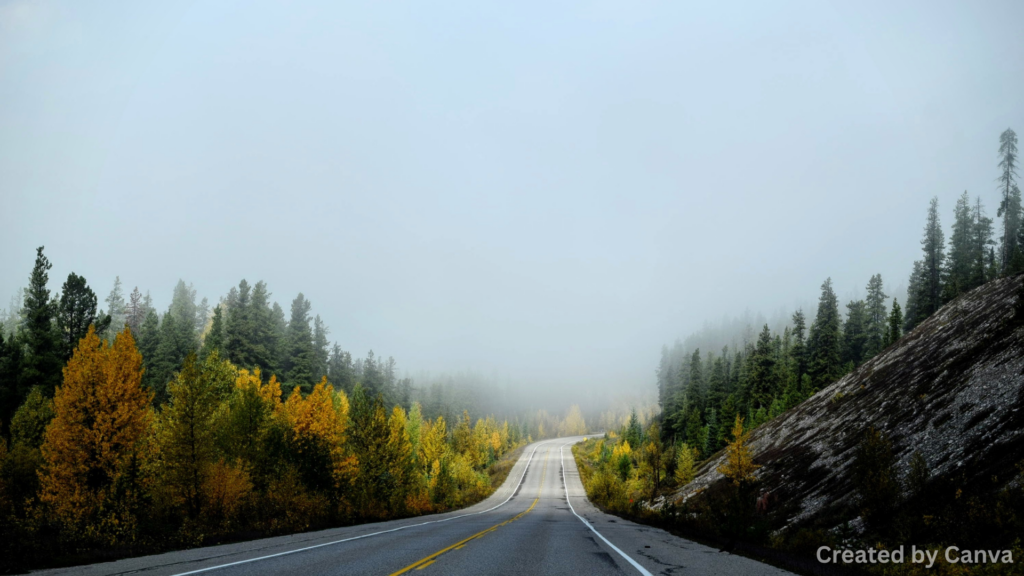
Losing traction is one of the most dangerous things that can happen in rear-end collisions in bad weather. When the roads are wet, tires don’t grip the ground as well as they do when the pavement is dry. Even if you are careful, you might still slide forward when you hit the brakes. Wet pavement, black ice, slush, and standing water all change how a car works. This loss of control makes it harder to stop and makes even low-speed crashes worse than you thought they would be. When there are a lot of cars on the road, one slide can quickly cause a chain reaction of cars hitting each other.
Not being able to control your car well makes crashes worse.
Bad weather doesn’t just make accidents more likely. It can also make them worse. Strong winds, slippery curves, and sudden puddles can make it hard for drivers to control their cars and make them overcorrect. If that happens, the impact may be worse because the driver can’t steer away or brake smoothly before hitting something. Road hazards like fallen branches, hidden potholes, and flooded lanes make things even more dangerous. Under these conditions, a simple rear-end crash can turn into a more complicated event with more than one car, blocked lanes, or other impacts.
Driving dangerously makes things worse.
Bad weather makes rear-end collisions worse. Habits that seem small when the weather is clear can become dangerous when it rains or snows. If you follow too closely, drive too fast for the conditions, or have worn tires, you could cause a crash. A lot of accidents that happen because of the weather aren’t just because of the weather. Drivers don’t adapt to their surroundings, which is why they happen. When the roads are slippery and visibility is low, you need extra space, a slower speed, and a lot of focus. To drive safely in bad weather, you need to be aware of road hazards before they cause a sudden emergency.
Questions and Answers
Why do rear-end collisions happen more often when the weather is bad?
Bad weather makes it harder for drivers to see and get good traction on their tires, which makes it harder for them to stop in time.
Is the driver always not at fault when the roads are slippery?
No. Drivers still need to change how fast and far away they are from the car in front of them depending on the road conditions.
What kinds of weather make it more likely that cars will hit each other from behind?
Rain, fog, snow, ice, and any other weather that makes it hard to see or stop can make the risk higher.
How can drivers get better at controlling their cars in bad weather?
They can slow down, keep a safe distance behind the car in front of them, use good tires, and not brake suddenly or steer sharply.
Featured Image
Images are by Canva.com
Read more about: Rear-End Collision Insurance Claims: The Dos and Don’ts