

Biomechanics of Rear-End Collisions is the study of how the body reacts when a car hits something suddenly. It uses concepts from physics, anatomy, and motion to describe what happens to the body when a car hits it from behind. In short, it looks at how speed, movement, and force affect the spine, joints, and muscles. This part of car accident science helps us understand why some injuries happen even when the car is going slowly and why symptoms might not show up right away after the crash.
How injury mechanics work when someone hits you from behind
In a rear-end crash, the body moves forward while the seat pushes the back of the body. This makes the head and neck move quickly, but not the same way the rest of the body does. Injury mechanics show that this movement puts a lot of stress on soft tissues, especially in the neck and upper back. When the body moves and the seat doesn’t support it, the muscles and ligaments stretch and compress. Biomechanics rear-end collision analysis often shows why whiplash forces happen even when the car isn’t very damaged.
The Importance of Crash Analysis and Body Impact

Crash analysis is all about figuring out what happened during a crash, such as the speed, angle, and dynamics of the vehicles. These things have a direct effect on how hard the body hits and how bad the injuries are. For instance, a sudden stop at a higher speed increases the forces of impact, which can put more stress on the spine. Biomechanics rear-end collision studies often look at how the body is affected by data from cars, seat designs, and restraint systems. This helps professionals see how different crash conditions affect the severity of injuries.
Why biomechanics is important for figuring out injuries
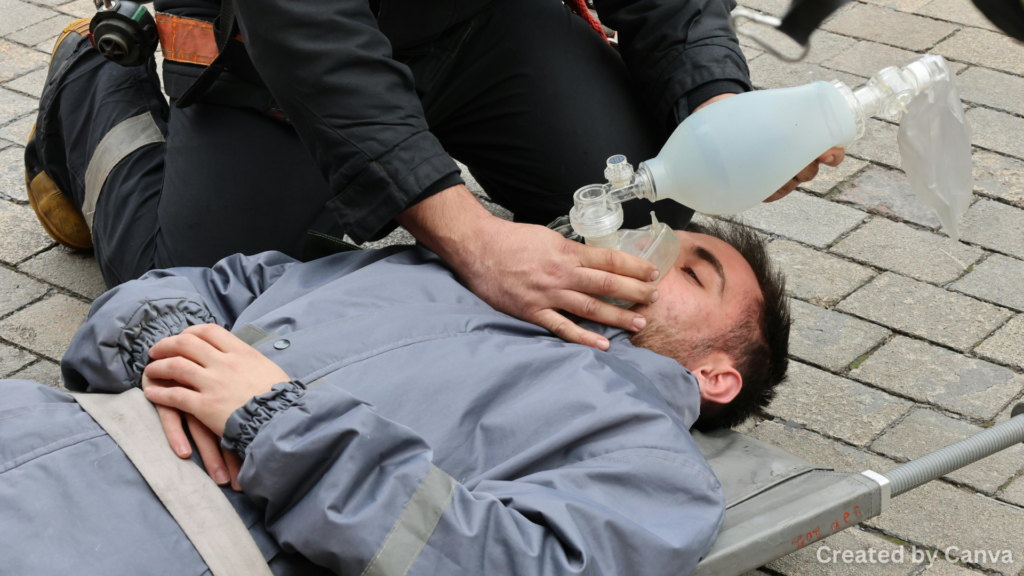
From both a medical and a legal point of view, it’s important to know how rear-end collisions work. It helps doctors figure out how injuries happened and what kind of treatment is best for each person. It also helps make things clearer in cases where the severity of the injury is in doubt. Biomechanics gives a structured way to explain injuries that aren’t always visible through standard imaging by linking body impact to measurable forces. This method makes the link between crash events and physical symptoms stronger, which helps with both diagnosis and case evaluation.
Questions and answers
What does biomechanics mean when it comes to rear-end collisions?
It is the study of how the body reacts to forces and movement during a crash.
Why do neck injuries happen in rear-end collisions?
Because the head and body move at different speeds, the neck muscles and ligaments have to work harder.
Does the speed of a car affect how bad an injury is?
Yes. Higher speeds make impact forces stronger, which raises the risk of serious injuries.
Can biomechanics help us understand injuries that aren’t obvious?
Yes. It helps link physical forces to symptoms that might not be obvious right away.
Featured Image
Images are by Canva.com
Read more about: How to Manage Neck and Back Pain After a Rear-End Collision