
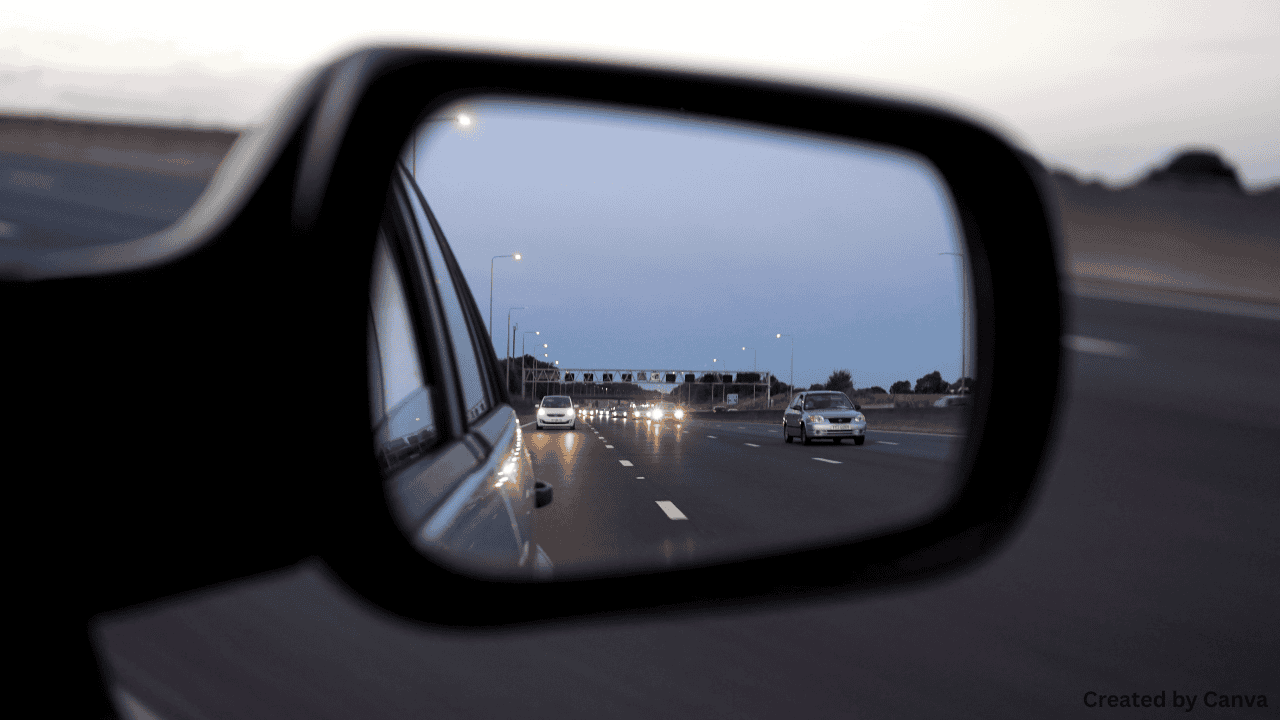
One of the most common types of accidents on the road is a rear-end collision. Most of the time, the person who hits the car in front is at fault, but there are times when this is not the case. If you get into a rear-end crash, you need to know what factors affect who is at fault and how liability is decided in rear-end crash cases.
Common Ideas About Rear-End Collisions
Most of the time, the driver who hits another car from behind is at fault. This is based on the idea that drivers must keep a safe distance from the car in front of them, which is what negligence laws say. If the rear driver doesn’t do this, they are considered to have acted carelessly, which makes them responsible for the accident. If the driver was speeding, following too closely, or not paying attention, they are usually to blame for the crash.

Circumstances in Which Liability May Be Contested
It’s common to blame the driver in the back, but there are times when the driver in the front may be partly or completely to blame. Some of these are:
- Sudden Stops: If the front driver suddenly or unexpectedly stops for no reason, like slamming on the brakes for no reason, they may be partly to blame for the fault determination. The front driver didn’t give the rear driver enough time to react, which is why this happened.
- Brake Light Failure: If the brake lights on the front vehicle aren’t working right, the driver in the back may not have been able to see that the vehicle was slowing down or stopping. This might make the front driver responsible.
- Backing Into Traffic: If the front driver was backing up into traffic and got hit by a car behind them, they could be to blame because they started the movement that caused the crash.
- Illegal Turns: If the person in front of you makes an illegal turn or suddenly swerves into another lane, they could be partly to blame for the crash.
Shared Responsibility and Contributory Negligence

Sometimes both sides are to blame. In these situations, the driver who is most careless is the one who is at fault for a rear-end crash. A lot of the time, courts and insurance companies use a percentage to figure out who is at fault. The driver in the back would have to pay for 70% of the damage if they were 70% at fault and the driver in the front was 30% at fault.
Questions That People Often Ask
1. Is it my fault if someone hits me from behind?
Yes, the driver in front can be partly or fully at fault in some cases, like when they suddenly stop or their brake lights don’t work.
2. What does it mean to be “contributory negligent”?
This is called contributory negligence when both drivers are to blame for the accident. Things like sudden braking or broken lights on the car can cause rear-end collisions.
3. How do you find out who is to blame for a rear-end crash?
Looking into what happened before the crash, like what both drivers did, how the road was, and evidence like dash cam footage or witness statements, usually helps figure out who is to blame.
4. Will my insurance cover me if I hit someone from behind?
If you are found to be at fault, your insurance will usually pay for the damage to the other car and your medical bills. However, your premium may go up as a result.
Featured Image
Images are by Canva.com